How can digitalization adapt to your company's workflow? The question is not whether to digitize, but how to do it without letting technology become an obstacle. A well-planned digitalization starts from real work: the steps people take, the decisions they make, the documents they handle and the systems they already use. When the tool adapts to that operating reality, instead of forcing the team to follow an imposed logic, the transformation feels like an improvement rather than a burden.
Companies often have processes that have evolved over time and rely on people, emails, spreadsheets and physical documents. Trying to force them into generic software creates resistance and errors. The alternative is layered digitalization: first understand the current flow, then define improvements and finally select the technologies that fit the organization's culture and goals. In this process, flexibility is as important as functionality.
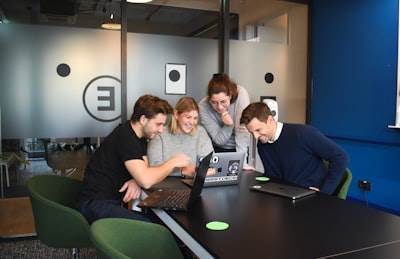
The first step is to identify how work really happens. Interviews with teams, observation of daily tasks, review of system logs and analysis of historical data are all useful. This diagnosis reveals bottlenecks, duplicated steps, unnecessary waits and points where information is lost. It is also important to document exceptional cases, because they often break standard processes and provide the most value when designing a digital solution.
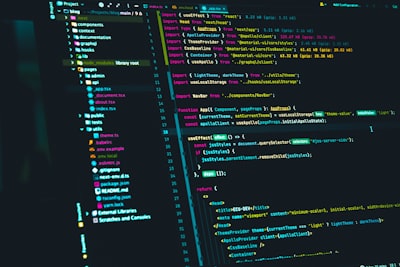
Once the workflow is known, the next question is which technological components add the most value. A large transformation is not always necessary. Sometimes it is enough to digitize a form, automate a notification or integrate two tools that were not communicating. In other cases, the business needs its own logic that no standard product covers. When that happens, the best answer is often a custom software application that reproduces business rules, approval hierarchies and workflows with precision.
Infrastructure also matters. Cloud AWS/Azure environments make it possible to deploy applications quickly, scale on demand and reduce the cost of maintaining physical servers. On top of that foundation, messaging services, storage, databases and APIs can be connected. The key is choosing an architecture that grows with the company and facilitates integration with existing systems, instead of creating a technological island.
Cybersecurity must be present from the start. Digitizing a process means data travels through more points, and that requires access control, encryption, auditing and monitoring. A custom application can incorporate these requirements from design, with role-based permissions and compliance policies. Security should not be an afterthought; it is a condition of the process.
When data flows in an orderly way, visibility becomes a competitive advantage. BI/Power BI dashboards help turn operational data into clear indicators: cycle times, errors, productivity, costs. Managers can then detect improvements and make decisions based on objective criteria. Digitalization stops being a technical project and becomes a management tool.
The next level is artificial intelligence. AI can analyze large volumes of information, predict behavior and suggest responses. AI agents can handle repetitive tasks such as classifying documents, answering common questions or validating data, always within defined boundaries and with human supervision. Combined with automation, AI reduces errors and frees up time for work that really requires judgment.
Process automation is not about replacing people; it is about eliminating friction. A task that used to require copying data from an email to a spreadsheet can be completed in seconds through an integration. A notice that got lost in the inbox can become an alert inside the system. To move in this direction, it is advisable to have a team that understands both technology and business. Process automation software is one of Q2BSTUDIO's specialties, along with custom software development and cloud service integration.
Implementation should be gradual. A pilot with a small team makes it possible to adjust the configuration without creating tension. During this phase, opinions are collected, failures are corrected and the real efficiency of the new flow is tested. Once validated, the solution can be extended to other areas with clear communication and adapted training. The change is not only technological; it is cultural.
Q2BSTUDIO, as a software and technology development company, supports this journey with a practical approach. It analyzes the current state, designs the right architecture, builds or integrates the necessary components and helps measure results. Its experience covers custom software, cloud AWS/Azure, cybersecurity, BI/Power BI, AI agents and automation. As a result, companies do not receive just another tool, but a solution that fits their workflow and grows with them.
Digitalization adapted to the workflow is not a luxury; it is a necessity for competing with agility. But it is not about copying solutions from other companies or imposing a rigid model. It is about understanding how your company works and finding the technology that enhances it. With the right partner, the result is a faster, safer and more transparent process, ready to evolve with the market.