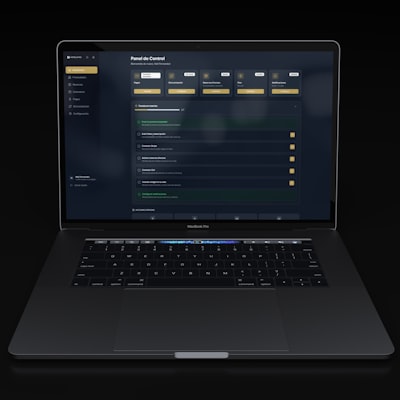
Business automation has become a cornerstone for organizations seeking to streamline processes, cut costs, and enhance service quality. Identifying who gains the most from implementing technological solutions—whether through custom software or by integrating AI, cybersecurity tools, and cloud platforms like AWS or Azure—is essential. Below we analyze the user profiles that derive maximum value from automating their operations.
1. Leaders and executives
Top-level executives need a clear view of overall performance. Automation consolidates real-time data, creates interactive dashboards, and delivers up-to-date KPIs without manual intervention. With BI / Power BI tools, leaders can make data-driven decisions, anticipate trends, and allocate resources more efficiently. Automation also reduces the risk of human error in critical reports and ensures traceability.
2. Operations and project managers
Those coordinating complex initiatives benefit from standardized workflows and automated approvals. Project management becomes more agile when tasks are auto-assigned based on predefined rules, and deadlines update in real time. Automation also facilitates integration between ERP and CRM systems, preventing duplication and ensuring sales, finance, and logistics teams work with the same information.
3. Customer-facing and sales teams
Teams that interact directly with the market enjoy consistent, timely responses. AI-powered chatbots handle frequent queries, while lead management systems automatically assign opportunities to reps based on scoring criteria. This speeds up the sales cycle and improves customer experience by reducing wait times and follow-up errors.
4. IT and compliance departments
Technology teams must safeguard data integrity, security, and governance. Automation eases policy enforcement, continuous monitoring, and audit generation. By integrating cybersecurity solutions, IT can detect vulnerabilities in real time and apply patches without manual steps, lowering threat exposure.
5. Partners and external suppliers
The supply chain becomes more transparent when partners access up-to-date inventory, order, and payment data. Automation syncs inventories, optimizes deliveries, and reduces logistics costs while ensuring partners meet quality standards.
6. Employees and collaborators
Automation frees staff from repetitive tasks, allowing them to focus on higher-value activities. Eliminating administrative burdens improves job satisfaction and fosters internal innovation. Employees also gain personalized dashboards showing performance metrics and improvement areas.
7. End customers
Indirectly, customers benefit from more efficient processes. Automation ensures timely deliveries, consistent quality, and rapid support. When internal teams operate with greater agility, the customer experience improves tangibly.
In short, business automation impacts all organizational levels—from senior leadership to the end customer. The key is to identify critical processes and apply tech solutions that integrate with existing ecosystems. Q2BSTUDIO offers a consultative approach to map stakeholders, design tailored experiences, and ensure successful adoption that delivers measurable ROI.