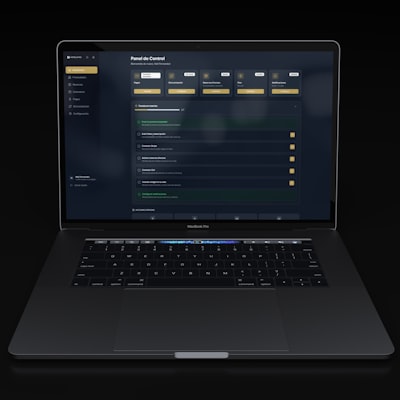
In today’s digital age, automation has become a cornerstone for businesses striving to stay competitive and efficient. Automating processes not only reduces operational load but also enhances accuracy, speeds up business cycles, and frees employees for higher‑value tasks. This article explores how to prepare your organization for deploying automation software, the benefits you can expect, and Q2BSTUDIO’s pivotal role in this journey.
Business process automation involves using applications and tools that replace repetitive or manual tasks. These can range from data entry and approvals to report generation, automatic notifications, or workflows across heterogeneous systems. By integrating automation with your ERP, CRM, and other critical platforms, you create a seamless value chain that minimizes human error and maximizes productivity.
To achieve a successful transition, it’s essential to adopt a structured approach that blends technology with cultural change. Below is a step‑by‑step guide to ready your team and infrastructure before rolling out automation solutions.
1. Identify critical processes and set clear objectives
Before investing in any tool, map the processes that deliver the most value and those that consume the most time. Ask yourself: what tasks repeat daily? How many errors occur at each stage? Establishing performance metrics (KPIs) will let you measure ROI once automation is live.2. Choose the right technological approach
The decision between custom software applications and low‑code platforms depends on process complexity and future needs. For flexibility and scalability, a custom build with automation software may be ideal. For standardized processes, low‑code platforms offer rapid deployment and lower upfront cost.3. Leverage artificial intelligence to enhance automation
4. Ensure security and regulatory compliance
Automation involves handling sensitive data. A robust cybersecurity strategy—penetration testing, encryption, access controls—is essential. Additionally, local and international regulations (GDPR, ISO 27001) must be considered at every development and deployment stage.5. Choose the right cloud infrastructure
The cloud offers elasticity, availability, and reduced operational costs. Q2BSTUDIO facilitates migration to AWS or Azure, ensuring your automation apps run with high availability and minimal downtime.6. Design a change‑management plan
Technology alone doesn’t guarantee adoption. It’s vital to involve end users from the start: discovery workshops, training sessions, and building an internal champions network. Constant communication about tangible benefits (time savings, error reduction) motivates teams and accelerates learning curves.7. Implement monitoring metrics and continuous improvement
Once automation is live, monitor key indicators such as cycle time, error rate, and user satisfaction. BI / Power BI tools let you visualize these metrics in real time and make evidence‑based decisions.Q2BSTUDIO positions itself as your strategic partner for each of these stages. With a multidisciplinary team blending development, cloud architecture, and cybersecurity expertise, the company delivers end‑to‑end solutions from process analysis to post‑implementation support.
In short, automating your business isn’t a standalone project; it’s a transformation that requires planning, the right technology, and above all, human commitment. By following these steps and partnering with Q2BSTUDIO, you can accelerate adoption, maximize ROI, and position your organization for the future.