In the digital age, businesses constantly seek to optimize their internal processes to stay competitive. One of the most effective strategies is implementing software that automates repetitive and manual tasks, reducing errors and freeing human resources for higher-value activities. However, automation alone does not guarantee success; it is essential to have performance indicators (KPIs) that allow measuring, analyzing, and adjusting the impact of these solutions within the organization.
KPIs are quantifiable metrics that reflect the performance of a process or project. When applied to automation software, these indicators should cover not only operational efficiency but also customer experience, regulatory compliance, and return on investment. At Q2BSTUDIO we understand that each business is unique, so we design personalized KPIs aligned with each client’s strategic objectives.
To establish a solid foundation, it is essential to identify the critical processes that will benefit from automation. These can include invoicing, lead assignment, monthly close or support ticket management. Once defined, select the KPIs that best measure improvement in each area.
1. Operational Efficiency: This set of indicators evaluates the speed and productivity of the automated process. Cycle time (time from start to completion), automation rate (percentage of tasks automated) and employee productivity are key examples. At Q2BSTUDIO we use process automation tools that integrate real‑time metrics to optimize productivity.
2. Customer Experience: Automation should translate into better customer interaction. NPS, response time to inquiries and customer retention are essential metrics. By integrating AI solutions and conversational agents, such as Q2BSTUDIO’s AI agents, response time can be significantly reduced and customer satisfaction increased.
3. Financial Impact: Automation must generate savings and, preferably, additional revenue. Operational cost savings, revenue uplift from optimized processes and return on investment (ROI) are critical KPIs. Q2BSTUDIO helps model financial scenarios and demonstrate the tangible value of each project.
4. Quality & Compliance: Accuracy is essential in automated processes. Error rate, audit findings and policy compliance must be monitored continuously. Integration with cybersecurity solutions ensures data and transactions remain secure.
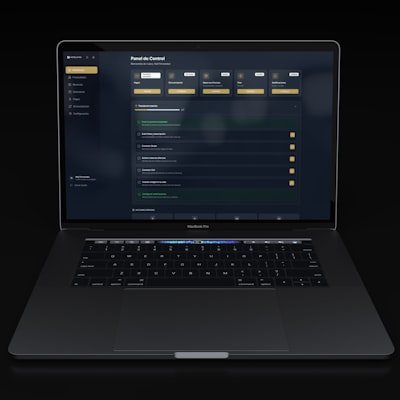
5. Adoption & Usage: Automation is only effective if users adopt it. Active users, feature usage frequency and internal satisfaction surveys reveal system acceptance. At Q2BSTUDIO we design interactive dashboards that display these indicators in real time.
Capturing and visualizing these KPIs requires Business Intelligence technology. Tools like Power BI allow creating dynamic dashboards that integrate data from ERP, CRM and automation systems. Combining cloud AWS/Azure with BI solutions ensures scalability and availability.
Implementing KPIs does not end with measurement; it involves a continuous feedback loop. Collected data must be analyzed, gaps identified and automated processes adjusted accordingly. This agile approach allows the organization to evolve quickly and maintain a competitive edge.
In conclusion, measuring the success of your automation software requires a holistic view covering operational efficiency, customer experience, financial impact, quality and adoption. Q2BSTUDIO offers comprehensive consulting that combines development of custom software, AI, cybersecurity and cloud solutions to ensure each KPI reflects the true value of automation.