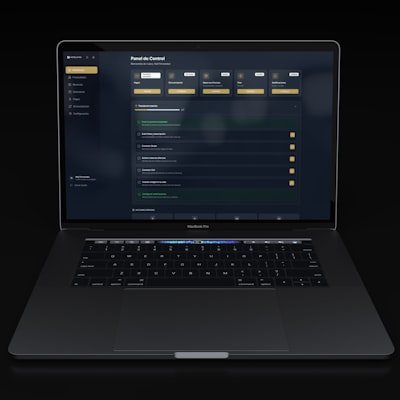
Before you dive into automating your business, it’s essential to build a solid foundation that ensures project success and long‑term sustainability. Automation isn’t just about installing software; it requires strategic planning, alignment of corporate goals, and proper technical preparation. In this article we break down the key steps you need to take to ready your organization before deploying automation solutions, with a technical and business perspective that maximizes ROI.
1. Define clear, measurable objectives
The first step is to set what you want to achieve with automation. Do you aim to cut invoice processing time by 30 %? Want to reduce human error in order handling or improve real‑time workflow visibility with dashboards? Objectives should be Specific, Measurable, Achievable, Relevant and Time‑bound (SMART). This framework lets you evaluate success and justify investment to stakeholders.
2. Identify candidate processes
Not every process is suitable for automation. Pick those that are repetitive, high‑volume and rule‑based. Billing, lead assignment, month‑end close or report generation are typical examples. Use mapping techniques (BPMN) and value assessment to prioritize initiatives that deliver the greatest impact.
3. Build a multidisciplinary project team
A successful project requires collaboration across functions. Appoint an executive sponsor who backs the initiative and a project lead with change‑management experience. Include IT, finance, operations and HR representatives to cover all perspectives. Continuous communication among these roles avoids misunderstandings and keeps the project aligned with business goals.
4. Evaluate data quality and availability
Automation relies on accurate data. Conduct a data‑quality audit to spot duplicates, inconsistencies or missing mandatory fields. If the data comes from legacy systems, clean and normalize it before integrating into the new solution. Data quality is critical to prevent errors that can propagate through the automated flow.
5. Review your existing tech stack
For automation to be effective, it must integrate with your ERP, CRM and other critical apps. Assess API compatibility, communication protocols (REST, SOAP) and performance limits. If your infrastructure is cloud‑based, verify it meets security and scalability standards. For on‑premise systems, consider migrating to cloud platforms like AWS or Azure to leverage elasticity and AI services.
6. Set realistic budget and timeline
Automation involves license costs, custom software development, consulting and training. Also factor in downtime during transition and change‑management overhead. Create a budget that includes contingencies and a timeline with clear milestones: analysis, design, development, testing and deployment.
7. Conduct risk and compliance assessment
Identify technical (compatibility, performance), operational (change resistance) and security risks. Automation can expose sensitive data, so compliance with regulations such as GDPR or local data‑protection laws is essential. Implement access controls, audits and penetration testing to ensure cybersecurity.
8. Plan change management and training
End users are the most critical element for success. Design training programs that include tutorials, quick‑start guides and interactive sessions. Communicate automation benefits in terms of time savings, error reduction and opportunities for higher‑value tasks. Change management should include a communication plan, post‑implementation support and feedback channels.
9. Choose the right technology
You can opt for low‑code platforms or custom development. Low‑code allows rapid prototyping and agile tweaks, while bespoke software offers full flexibility. If your business needs AI integration or advanced analytics, consider tools like Power BI for Business Intelligence and AI agents that can interact with users.
10. Define success metrics and continuous improvement plan
Measure performance before, during and after implementation. Key metrics include cycle time, error rate, user satisfaction and ROI. Use real‑time dashboards to monitor progress and adjust processes as needed.
At Q2BSTUDIO, we understand that every business is unique. Our approach combines process analysis, custom software design and the implementation of modern technologies such as custom software and AWS/Azure cloud. We also offer cybersecurity and Power BI Business Intelligence services to ensure your automation is secure, scalable and aligned with strategic goals. With our comprehensive support, you can transform manual processes into efficient digital flows that drive productivity and innovation.