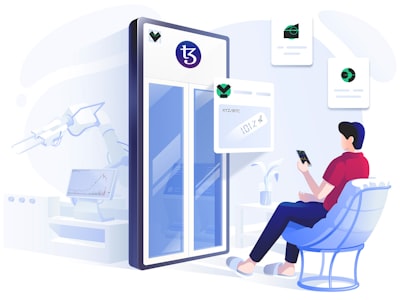
Onboarding and documentation are essential pillars for the success of any custom software project. When a company chooses to invest in tailored solutions, it acquires not just a product but a strategic partnership with a development team that must deeply understand its internal processes, business goals, and technical challenges. In this context, the onboarding phase and the creation of both technical and user documentation become critical activities that ensure alignment between client and provider, reduce project risks, and accelerate solution adoption.
At Q2BSTUDIO, a leading company in web and mobile application development, process automation, and integration solutions, we understand that every business is unique. That’s why our onboarding approach goes beyond delivering a user manual; it builds a knowledge bridge that enables the organization’s internal teams to adopt the new tool smoothly and sustainably. Below, we explore best practices for effective onboarding, the importance of continuous documentation, and how Q2BSTUDIO positions itself as a strategic partner in this process.
1. The onboarding phase: more than a simple introduction
Onboarding starts long before the software is ready for deployment. At Q2BSTUDIO, we begin with a kickoff meeting that brings together key stakeholders, defines project objectives, and establishes a work plan. This meeting serves to:
• Identify critical processes the solution must support.• Align expectations on features, timelines, and success metrics.• Set clear communication channels and area owners.
As the project progresses, the Q2BSTUDIO team delivers a implementation roadmap detailing milestones, deliverables, and responsibilities. This document acts as a compass guiding internal teams through each project phase, from testing to final launch.
2. Technical and user documentation: the business survival manual
A custom software solution is only as good as its users’ ability to leverage it. Therefore, documentation must cover two axes:
• Technical documentation: architecture diagrams, API specifications, configuration guides, and governance policies. This information is vital for IT teams and future developers working on the project.
• User documentation: quick-start guides, reference cards, tutorial videos, and knowledge base articles. These resources facilitate adoption and reduce the learning curve.
At Q2BSTUDIO, we adopt an iterative approach: documentation is continuously updated as new releases or enhancements are launched. Thus, users always have up-to-date information and support teams can proactively address emerging questions.
3. Integration with emerging technologies: AI, cloud, and cybersecurity
The current tech landscape demands that custom software solutions integrate AI tools, cloud deployments, and robust cybersecurity measures. At Q2BSTUDIO, we incorporate:
• AI agents that automate repetitive tasks and enhance user experience.
• Cloud infrastructure (AWS/Azure) that ensures scalability, high availability, and compliance with regulations.
• Penetration testing and security audits that protect critical business data.
These technologies add functional value and are reflected in the documentation, which includes environment configuration guides, access policies, and incident response protocols.
4. Adoption metrics and continuous improvement
Good onboarding doesn’t end with launch. Measuring adoption and user satisfaction is essential to identify improvement areas. At Q2BSTUDIO, we use:
• Metrics dashboards showing application usage, response times, and support tickets.
• Surveys that gather direct user feedback.
These data feed a continuous improvement cycle where documentation is updated and support processes are optimized.
5. Success stories: how onboarding and documentation drive ROI
A financial sector client implemented a risk management platform with AI and process automation. Thanks to structured onboarding and comprehensive documentation, the operations team reduced risk analysis time by 40% and increased alert accuracy by 25%. Another retail client used the cloud solution to scale its e‑commerce platform during peak season, avoiding downtime and ensuring a smooth shopping experience.
These examples illustrate how a well-executed onboarding strategy not only accelerates adoption but also maximizes return on investment.
Conclusion
Onboarding and documentation are more than administrative tasks; they are the foundation upon which any custom software project succeeds. At Q2BSTUDIO, we combine technical expertise, a customer‑centric approach, and adoption of emerging technologies to deliver solutions that not only meet but exceed expectations. If you’re looking for a company that understands your needs and supports you every step of the way, contact us and discover how we can turn your vision into a digital reality.