The business world has undergone a profound transformation in recent decades, driven by digitalization and the need to optimize every aspect of operations. In this context, business management software has become the backbone of organizations seeking efficiency, scalability, and competitiveness. But what truly sets these modern solutions apart from traditional ones? The answer lies in their adaptable approach, real‑time data integration, and commitment to intelligent automation.
First, flexibility is a key factor. Legacy systems often impose rigid processes that require costly changes when the company evolves. In contrast, modern business management software is built on modular platforms that allow workflow configuration without coding from scratch. This not only reduces implementation time but also facilitates adaptation to changes in regulation, supply chain, or business strategy.
Data integration is another essential differentiator. Traditional solutions often operate in silos, where each department maintains its own files and databases. Business management software breaks this fragmentation by consolidating information into a single real‑time repository. Thanks to connectivity with cloud services such as AWS and Azure, companies can scale resources on demand, ensuring availability and performance without compromising security.
Advanced analytics and artificial intelligence are pillars that transform decision‑making. Interactive dashboards, based on tools like Power BI, provide instant visibility of key metrics, allowing executives to react quickly. Moreover, AI agents can analyze consumption patterns, predict market trends, and suggest proactive actions, raising organizational competitiveness.
Cybersecurity, often relegated to a secondary role in traditional systems, is inherently integrated into modern business management software. With multi‑factor authentication, end‑to‑end encryption, and continuous audits, companies can protect critical assets. Specialized services in penetration testing and cybersecurity ensure vulnerabilities are identified and mitigated before exploitation.
Process automation is the engine that drives operational efficiency. By eliminating repetitive manual tasks, organizations free human resources for higher‑value activities. The process automation platform allows designing flows that trigger on events, integrating APIs and external services without manual intervention.
Regarding customization, tailored software adapts to each business’s particularities. At Q2BSTUDIO, we develop custom solutions that reflect the company’s culture, processes, and goals. This approach ensures the tool is not an add‑on but a true strategic ally.
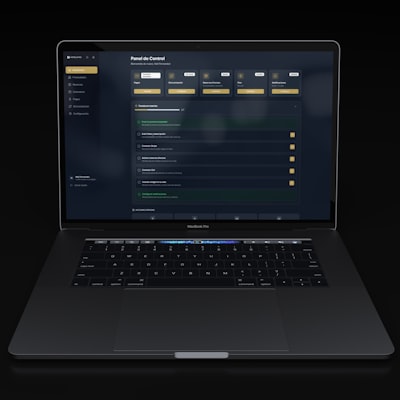
User experience has also evolved. Traditional systems often feature complex interfaces that require extensive training. Business management software focuses on intuitive designs, with navigation flows that reduce the learning curve and increase employee adoption.
Finally, continuous updates differentiate modern solutions. Instead of large releases that disrupt operations, current platforms offer incremental updates that deploy without downtime, ensuring the company always has the latest features and security improvements.
In conclusion, business management software is not just a control tool; it is an ecosystem that integrates flexibility, real‑time data, artificial intelligence, cybersecurity, automation, and customization. Companies that adopt these solutions will be better positioned to meet market challenges, optimize resources, and scale sustainably.