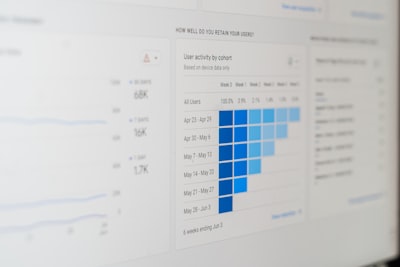
Corporate expense management has accelerated its evolution over the past decade, moving from manual paper-based processes to digital solutions that integrate receipt capture, approval rules, and real-time analytics. In today’s environment, where agility and financial visibility are essential, companies seek tools that not only streamline accounting but also deliver actionable insights through dashboards and configurable reports. This article explores how an expense management application, combined with BI and AI capabilities, transforms the way organizations control costs, ensure compliance, and make strategic decisions.
### The challenge of traditional expense management
Before digitization, expense management involved paper forms, spreadsheets, and manual approval chains. This approach caused delays, reconciliation errors, and a lack of real-time visibility into actual spend. Finance departments were trapped in repetitive tasks while managers lacked up-to-date data to assess team performance.
With digital solutions, companies can automate receipt capture via OCR, automatically validate internal policies, and route reimbursement requests to the appropriate approvers. However, automation alone is not enough; true competitive advantage is achieved when data becomes actionable information.
### Real-time dashboards: the new standard
Expense dashboards allow users to view key metrics such as spend by category, policy compliance, and approval time. By integrating these panels with BI tools like Power BI or Tableau, organizations can create interactive visualizations that update in real time.
A cloud-based architecture, whether on AWS or Azure, enables scalability and data availability. Additionally, integration with cybersecurity services ensures that sensitive information remains protected from unauthorized access.
At Q2BSTUDIO, we design custom dashboards that align with each client’s strategic goals. We use Power BI to create visualizations that let executives monitor critical KPIs and analysts dive into spend trends.
### Configurable reports: beyond standard reporting
Predefined reports are useful, but each organization’s needs vary. With a custom solution, users can create reports with dynamic filters, cohorts, and trend analysis. Moreover, the ability to schedule deliveries via email or instant messaging ensures that decision-makers receive information at the right time.
API integration allows expense data to sync with ERP, CRM, and other enterprise platforms, creating a coherent, up-to-date information ecosystem.
Q2BSTUDIO offers custom software development services that include configurable reporting, process automation, and BI tool integration.
### AI and predictive analytics: anticipating spend
Artificial intelligence adds a layer of value by analyzing spend patterns and predicting future trends. AI agents can detect anomalies, suggest policy adjustments, and optimize resource allocation.
For example, a machine learning model can identify an unexpected spike in corporate travel expenses and alert finance before it becomes a problem.
At Q2BSTUDIO, we implement AI solutions that integrate with dashboards, providing real-time predictive insights and recommendations.
### Security and compliance: fundamental pillars
Expense management involves handling confidential data, making cybersecurity a critical requirement. Adopting security practices such as multi-factor authentication, data encryption, and continuous auditing protects data integrity.
Moreover, tax and accounting regulations require accurate, traceable records of every transaction. Digital solutions facilitate internal and external audits, reducing the risk of penalties.
Q2BSTUDIO has a specialized team in cybersecurity that ensures expense management applications meet the highest standards.
### Cloud integration: flexibility and resilience
Moving to the cloud allows companies to scale operations without incurring infrastructure costs. Both AWS and Azure offer database, storage, and compute services that adapt to expense management needs.
By leveraging the cloud, organizations benefit from high availability, disaster recovery, and the ability to analyze large data volumes in real time.
At Q2BSTUDIO, we implement solutions on AWS and Azure, ensuring the expense management application is scalable, secure, and highly available.
### Process automation: reducing manual load
Automation not only speeds up expense approvals but also reduces human error. By integrating automated workflows, companies can assign tasks, send reminders, and generate reports without manual intervention.
Q2BSTUDIO offers process automation services that integrate with expense management, creating an ecosystem where every workflow step is optimized.
### Success stories: measurable results
A logistics company reduced its expense processing time by 60% after implementing a digital solution with real-time dashboards and configurable reports. Another client, a consulting firm, achieved a 15% savings on travel spend by using AI to optimize itineraries and policies.
These results demonstrate that investing in expense management technology not only improves efficiency but also delivers tangible value to the organization.
### Conclusion
Managing expenses with dashboards and reports is not just a trend; it’s a strategic necessity in today’s business landscape. By combining automation, AI, cybersecurity, and the cloud, companies can transform the reimbursement process into an insight engine that drives decision-making.
Q2BSTUDIO positions itself as the technology partner that delivers custom solutions, integrating industry best practices and ensuring every organization gets maximum value from its expense management investment.