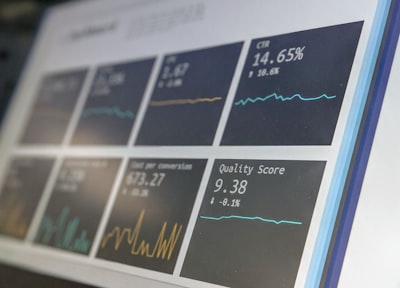
Automatic process discovery in multiple languages has become a key component for organizations operating in global environments, aiming to optimize operations while maintaining cultural and linguistic consistency. This approach combines data analytics, artificial intelligence, and user experience management to map, analyze, and improve real business workflows, all in the language most natural for each team.
In practice, automatic discovery does not merely capture the sequence of activities in a process; it also identifies variations, bottlenecks, and automation opportunities. Adding a localization layer allows the same analytics engine to generate reports, dashboards, and documentation in multiple languages, respecting region‑specific terminology, date and time formats, and local regulations.
For companies relying on critical processes, lack of visibility can translate into wasted time, costly errors, and a degraded customer experience. Automatic discovery technology can, for example, reveal that an invoice approval process takes an average of 48 hours in one region, while only 12 in another, and then propose automation of manual tasks that consume that extra time.
Artificial intelligence plays a role beyond simple data extraction. Machine‑learning algorithms can predict the likelihood of a process delay, identify anomalous behavior patterns, and suggest data‑driven improvements. AI can also automatically translate results and recommendations into users’ languages, maintaining accuracy and cultural relevance.
Integrating automatic discovery with localization enables truly multilingual user experiences. BI dashboards, for instance, can be displayed in Spanish, English, French, or any other language, with terminology adapted to each market. This facilitates adoption by distributed teams and narrows the gap between business vision and operational execution.
For organizations already using cloud infrastructures, integration with services such as AWS or Azure is essential. Logs, metrics, and events can be centralized in the cloud, ensuring scalability and availability. Cloud also supports cybersecurity policies like data encryption in transit and at rest, multi‑factor authentication, and continuous auditing.
Automatic process discovery aligns with robotic process automation (RPA) trends. Once a repetitive, high‑volume task is identified, a bot can be designed to execute it consistently, reducing human error and freeing human resources for higher‑value activities. Q2BSTUDIO’s automation service allows seamless integration of discovered workflows with RPA solutions.
Data security is critical when handling processes involving sensitive information. Q2BSTUDIO’s cybersecurity module includes penetration testing, vulnerability analysis, and mitigation recommendations, ensuring that data collected during discovery does not become an attack vector.
For business analysts, generating multilingual reports facilitates data‑driven decision‑making. Power BI dashboards, for example, can be configured to display key metrics in each stakeholder’s preferred language, improving understanding and collaboration across teams.
In summary, automatic process discovery in multiple languages not only optimizes operational efficiency but also strengthens international collaboration, enhances security, and opens the door to intelligent automation. By combining data analytics, AI, localization, and cloud, companies can turn processes into strategic assets that drive growth and competitiveness.
To learn more about how Q2BSTUDIO can help you implement custom software and process automation, feel free to contact our expert team.