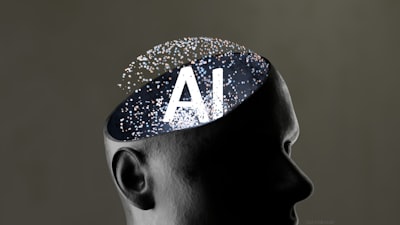
Artificial intelligence (AI) is profoundly reshaping the landscape of human resources (HR), offering innovative solutions that facilitate and optimize processes. AI-driven automation not only saves time and resources but also improves the experience for both employees and HR teams. In this article, we will break down how AI is influencing this field, transforming operations, and setting new standards for talent management.
The adoption of custom software is a clear reflection of how companies are seeking specific solutions tailored to their needs. Customization in the development of HR applications allows for the implementation of systems that perfectly align with internal processes, optimizing data management and operational efficiency. These applications, designed for mobile phones and tablets, offer accessibility and convenience, enabling employees and HR managers to perform key tasks from anywhere.
One of the most impactful applications of AI in HR is in the recruitment process. Software development services are creating systems that can quickly analyze large volumes of resumes to identify the most promising candidates, based on algorithms that learn from the company's selection criteria. This not only speeds up the hiring process but also helps avoid unconscious biases, promoting a more objective and diverse selection.
Employee training and development also greatly benefit from AI. Personalized learning platforms use data to adapt training content to each employee's needs and learning styles, facilitating their professional development more effectively. Additionally, integrating AI-based games and simulations into training programs can make learning more interactive and engaging.
Performance management is another area where AI is making a notable difference. Systems can continuously collect and analyze data on employee performance, offering insights and personalized recommendations for improvement. This allows HR managers to make data-driven decisions, fostering a more productive and motivating work environment.
Regarding employee well-being, AI can play a crucial role by identifying patterns that suggest stress or burnout, enabling the company to take preventive measures. AI chatbots, for example, can provide instant support and advice to employees, improving their experience and job satisfaction.
On the other hand, AI is also facilitating document digitization and the automation of repetitive administrative tasks, such as payroll and benefits management, freeing up HR staff to focus on higher-value tasks. Integrating these systems into the existing technological infrastructure, including the company's website and internal applications, ensures a smooth transition toward more automated and efficient HR management.
The implementation of AI in HR not only transforms internal processes but also reflects the company's commitment to innovation and continuous improvement. In an increasingly competitive market, the ability to attract and retain talent largely depends on the effectiveness and modernity of its HR practices.
Companies that adopt these technologies are not only optimizing their operations but also laying the groundwork for a broader digital transformation, preparing for the challenges and opportunities of the future.
In summary, AI is revolutionizing the way companies manage and interact with their most valuable asset: their people. By automating processes, personalizing the employee experience, and making informed data-driven decisions, AI is setting a new standard in human resources management, one that promises to be more efficient, equitable, and future-oriented.