
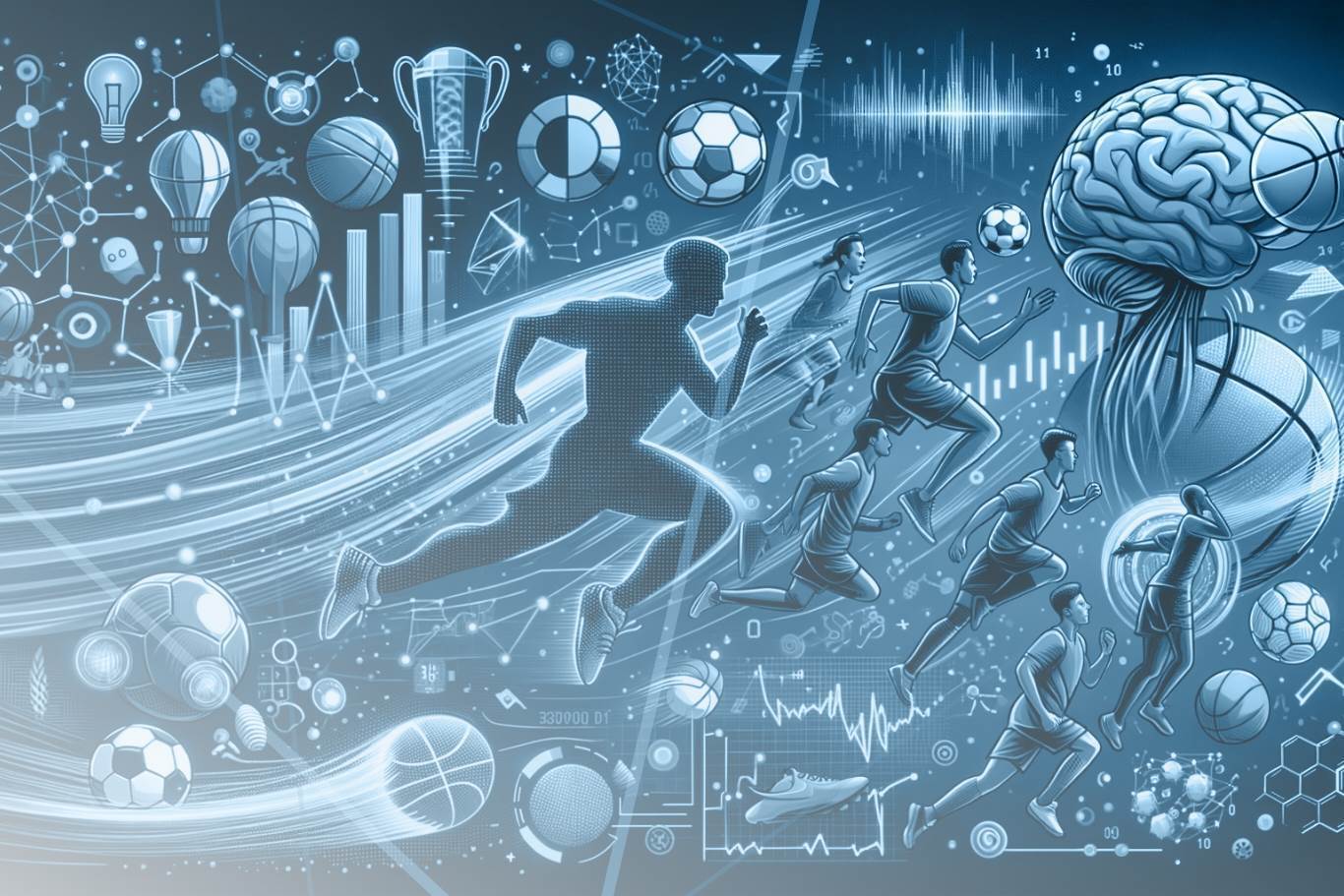
Artificial intelligence (AI) is transforming entire sectors, and sports are no exception. From local teams to international competitions, AI is becoming an essential tool for analyzing performance and developing competitive strategies. In this article, we explore how the integration of AI in sports is changing the game, literally, for athletes, coaches, and teams.
Custom software has found a promising niche in the sports field. Teams and coaches are turning to applications designed specifically for their needs, allowing them to collect, analyze, and act on performance data like never before. These applications can track everything from athletes' speed and distance traveled to more complex metrics such as energy efficiency and injury probability, offering valuable insights that can be the difference between winning and losing.
One of the areas where AI truly shines is data analysis. In sports, every second and every movement counts. Performance databases powered by custom software offer a wealth of information that, when properly analyzed, can reveal patterns, strengths, and weaknesses in both individuals and teams. This analysis becomes even more powerful with the implementation of AI algorithms, which can predict outcomes, suggest game strategies, and personalize training regimens to maximize performance.
In sports marketing, the integration of AI services is revolutionizing how teams interact with their fans. From websites offering personalized experiences based on user behavior to mobile applications enhancing the match-day experience, technology is playing a key role in creating deeper connections between teams and their supporters. Additionally, AI-backed SEO and SEM techniques are enabling more effective online positioning, ensuring that generated content reaches the right audience.
But the application of AI in sports goes beyond performance analysis and marketing. Digital transformation is enabling greater integration of services, from ticket and merchandise sales in online stores to managing athletes' health and well-being through wearable devices and tablet applications. These tools not only help improve sports performance but also open new business avenues and revenue opportunities for clubs and sports organizations.
Digitalization and AI are also playing a crucial role in enhancing sports fairness. The use of technologies such as blockchain to ensure the integrity of results and impartiality in competitions is an example of how technology can be applied to strengthen the fundamental values of sports.
As we move forward, it is clear that the integration of AI in sports is just beginning. With each technological advance, new opportunities arise to improve performance, strategy, and fan connection. For teams and athletes, adapting to this era of innovation is not just an option but a necessity to stay competitive.
For those of us in software development and information technologies, this is an exciting field full of possibilities. The demand for custom solutions, cross-platform applications, and integration services will only continue to grow, offering a unique opportunity to contribute to the evolution of sports in the digital age.

