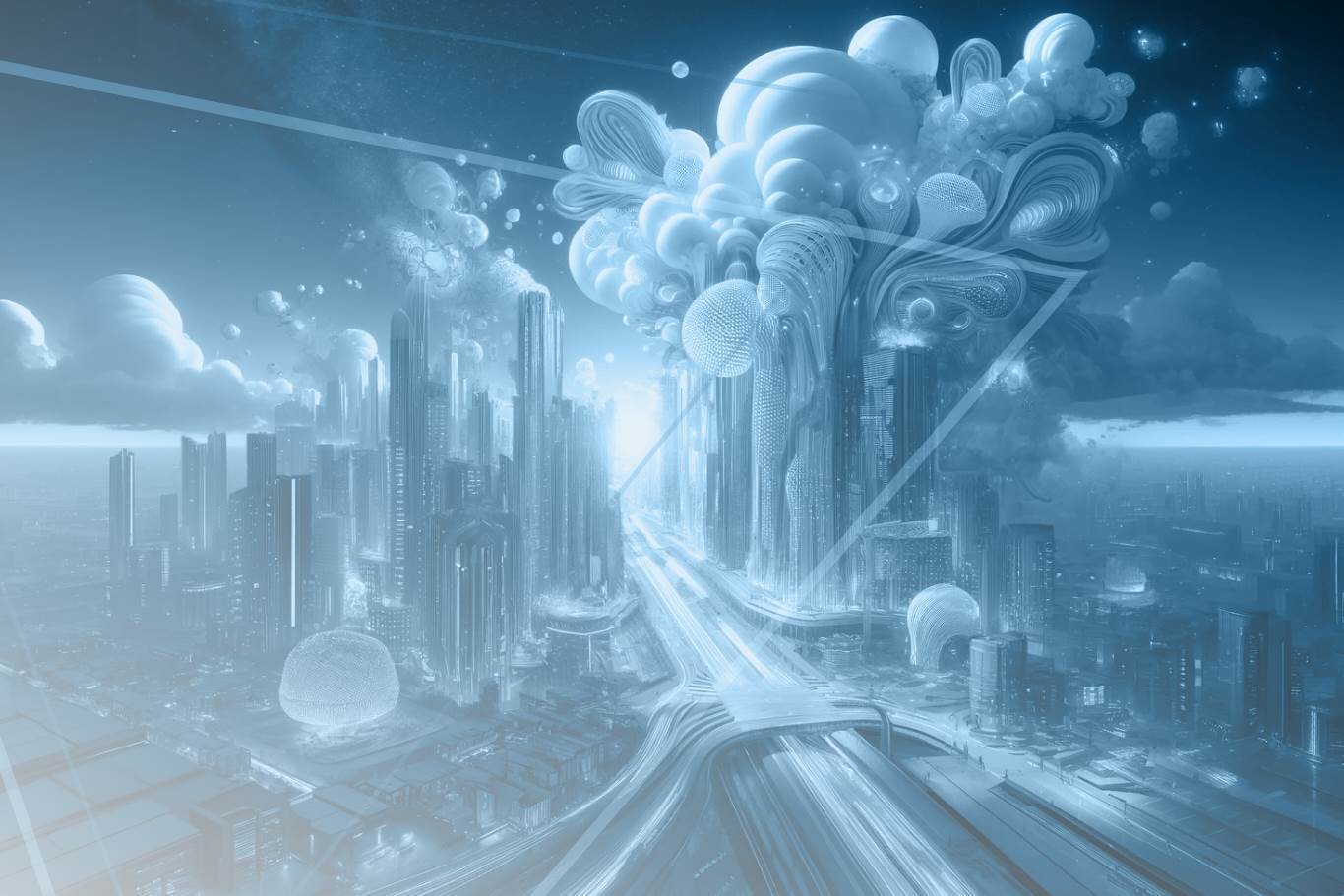
At the intersection of technology and creativity, AI-generated artworks are marking a new chapter in the history of art. This intersection invites us to rethink not only how art is created, but also how creativity is perceived in the digital age.
Software development has advanced by leaps and bounds, allowing developers and companies to explore territories unimaginable until recently. Among these advances, artificial intelligence has found a particularly interesting niche: art. Through complex algorithms and deep learning, machines are generating works that challenge our preconceptions about creativity, traditionally seen as an exclusively human bastion.
These AI applications are not only redrawing the boundaries of art but are also opening a new field in custom application development. From websites showcasing digital art collections to online stores where these works can be purchased, technology is facilitating an unprecedented platform for artistic expression.
However, this phenomenon transcends the mere production of aesthetically pleasing images. AI-generated artworks force us to reflect on the creative process itself. Can a machine truly be creative? Or is it simply emulating patterns of creativity learned from its training on databases of human works? These questions are not trivial and touch on fundamental aspects of artificial intelligence and its role in our lives.
In the realm of online marketing, the implications are equally fascinating. Marketing services are beginning to use this technology to create banners and personalized advertising material on a large scale, something that previously required the human touch of a designer. This integration of services shows how AI is transforming entire industries, not only in terms of efficiency but also in the ability to generate new and original content.
Digital transformation, driven by advances in areas such as blockchain and cross-platform service integration, is reshaping the art business. Companies can now offer unique artistic experiences, from viewing art on mobile devices to creating immersive web experiences, where the line between viewer and artwork becomes increasingly blurred.
These projects also raise questions about authorship and ownership in the digital age. With digitization, the need arises to protect AI-generated works, a challenge that blockchain could help solve by providing an immutable record of the creation and transaction of digital artworks.
The current state of software development and AI in art is a testament to how technology can expand the horizons of what we consider possible. By exploring these works, we not only appreciate beauty or novelty but also immerse ourselves in a broader debate about creativity, originality, and the future of artistic expression.
This new digital artistic landscape offers a unique window into the complexity of the relationship between humans and machines, challenging us to consider not only what it means to be creative but also how we define art and authorship in the 21st century.