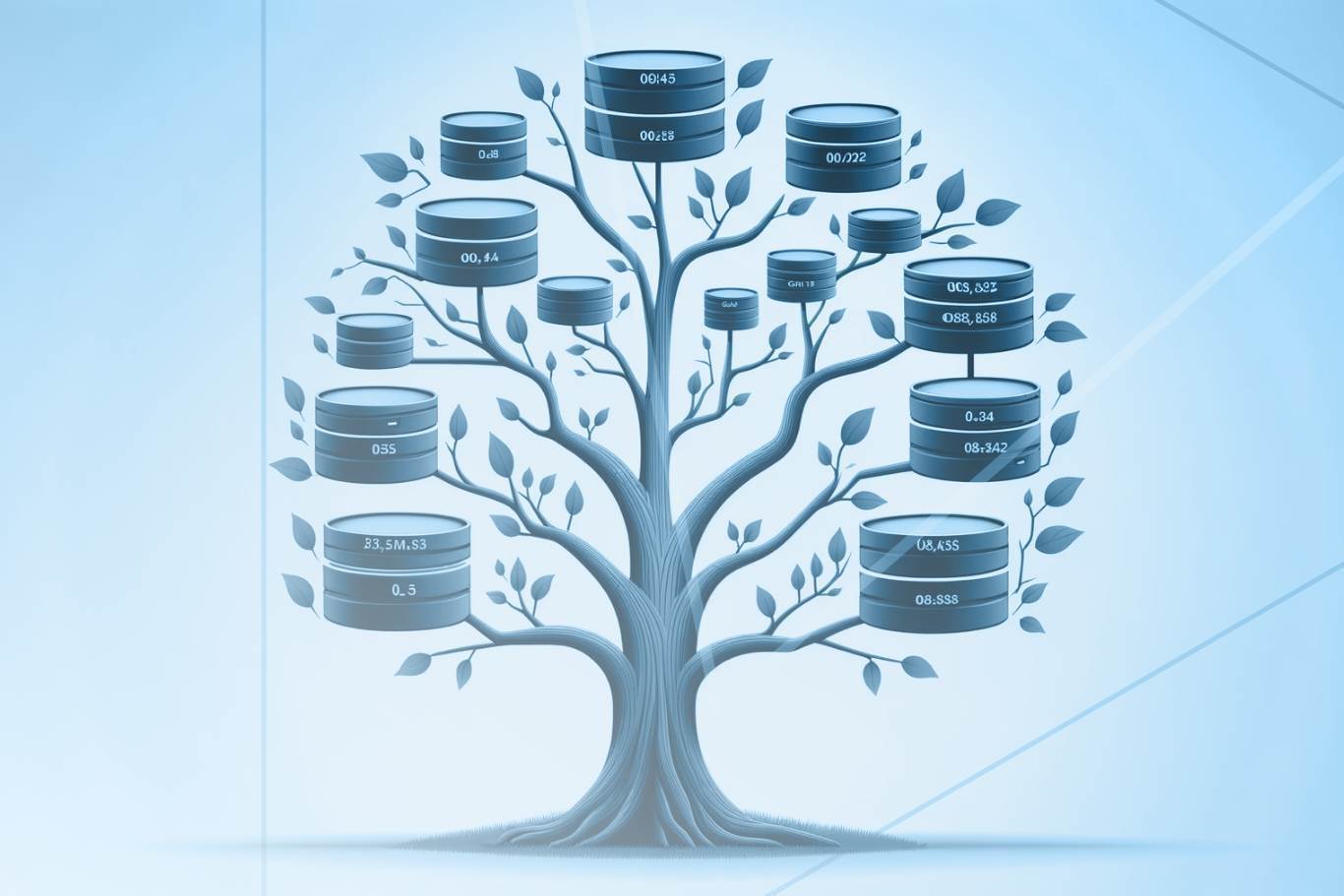
Today, let's talk about a topic that, although it may seem niche, is fundamental in the software development lifecycle: version control in SQL for managing changes in database schemas. This process is crucial for maintaining data integrity and consistency, especially in environments where changes are constant and necessary to adapt to new business needs.
We will start with the basics: version control is not just for the source code of our applications. Extending this practice to our database schemas allows us to keep a detailed record of each change, who made it, and why. This is especially useful in development teams where multiple people work on the same project, enabling smoother and safer collaboration.
At the heart of any reputable company, data is an invaluable asset. That is where integrating version control services into our SQL databases comes into play. Tools like Git can be adapted for this purpose, although there are specific solutions designed to handle the peculiarities of SQL data and schemas.
Implementing an effective version control system helps us avoid conflicts between changes made by different team members, ensures that everyone on the project is aligned with the most current version of the database schema, and facilitates the detection and correction of errors before they affect production.
For companies focused on custom software development, especially those offering applications and web services, efficient management of database changes is not just a good practice; it is a necessity. Imagine launching a new feature in your online store or mobile application, only to discover that the necessary database changes have not been applied correctly, causing errors and affecting the user experience.
Furthermore, with the growing importance of digital transformation and digitization, the ability to quickly adapt to changes has become a pillar for business success. The integration of online marketing services, for example, requires continuous adjustments in our databases to ensure proper campaign tracking, web traffic analysis, and user behavior monitoring.
Version control in SQL also facilitates collaboration between development and marketing teams, ensuring that changes in the design and functionality of web pages or applications are supported by coherent and up-to-date data management. This is crucial for maintaining optimal SEO positioning and delivering an impeccable user experience.
We live in an era where agility and flexibility in IT project development are more important than ever. Companies must be able to quickly launch new features, adjust to market trends, and respond to consumer expectations. In this context, managing database changes cannot be a manual and error-prone process.
Last but not least, the security of our data. With the adoption of technologies like blockchain, the protection of stored information and its integrity have become critical aspects. A well-implemented version control system in our databases is an additional layer of security, ensuring that any change can be tracked and, if necessary, reverted.