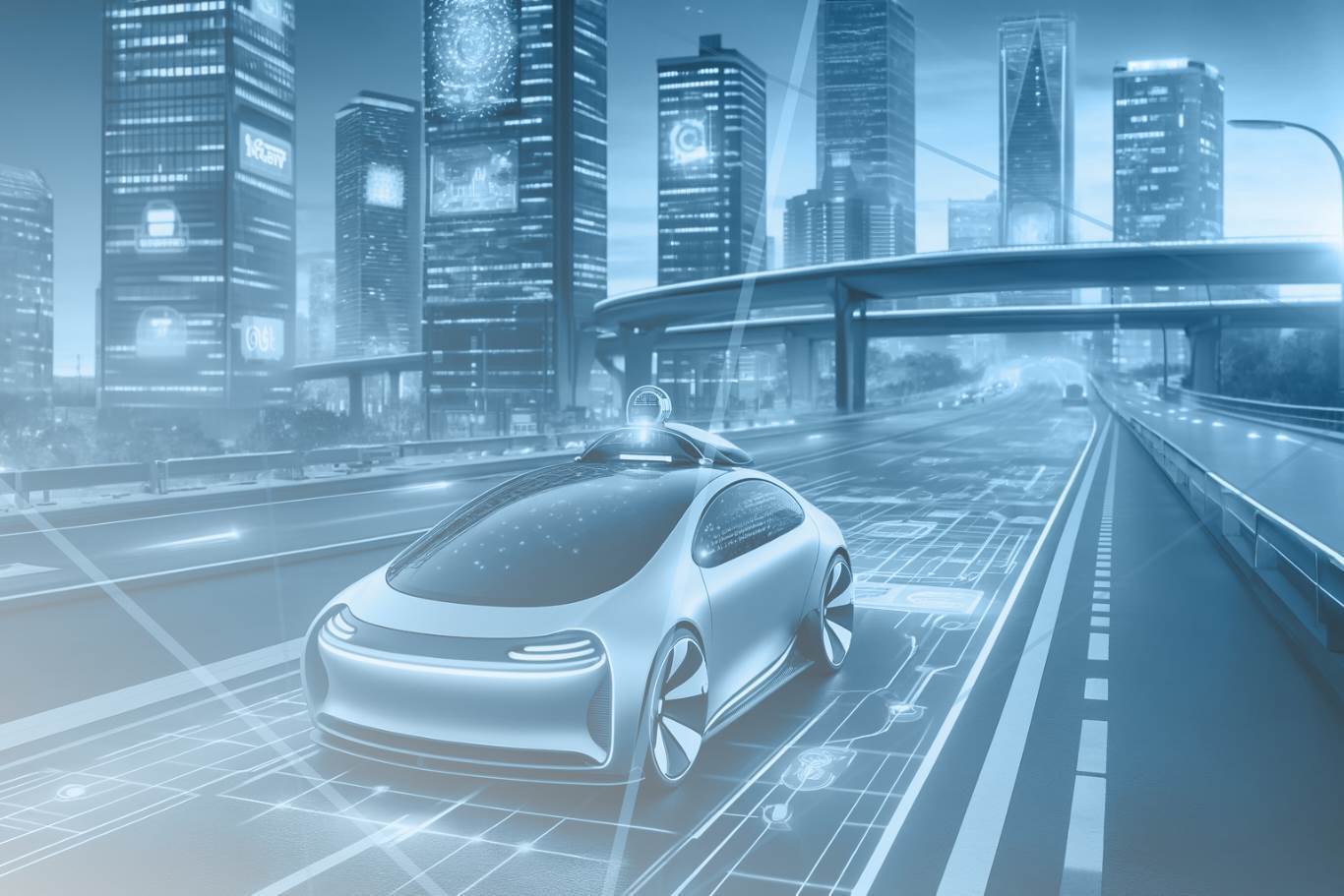
The integration of artificial intelligence into transportation systems not only promises to increase safety but also to improve the efficiency of our travel.
The Role of Software Development in Autonomous Driving
Custom software development is the heart driving innovation in the autonomous driving sector. Companies worldwide, from startups to established multinationals, are investing in designing applications and software that can predict road behaviors and make decisions in milliseconds. These projects require not only a high level of specialization in software development but also a solid understanding of traffic dynamics and current regulations.
Enhanced Safety Through Technology
One of the main advantages of autonomous driving is its potential to reduce traffic accidents. AI-based systems are designed to eliminate human errors, which are the leading cause of most accidents. For example, by using sensors and cameras, an autonomous vehicle can detect obstacles on the road much earlier than a human driver and react instantly.
Efficiency and Comfort in Transportation
Beyond safety, efficiency is another key benefit of autonomous vehicles. Imagine a transportation network where all vehicles are interconnected via the internet and blockchain to share real-time information about traffic and road conditions. This type of service integration can significantly minimize congestion and optimize travel routes, thereby reducing travel time and fuel consumption.
Practical Applications in Business
The implications of autonomous driving go beyond personal transportation. In the ecommerce sector, for example, logistics efficiency can be revolutionized with the implementation of autonomous vehicles. Online stores could use these vehicles to make deliveries faster and at lower cost, which could completely transform the consumer shopping experience.
Marketing and Autonomous Driving
The marketing sector can also greatly benefit from autonomous driving. Marketing services can use data collected by these vehicles to better understand consumer habits and personalize advertising campaigns. Additionally, banners and ads could be displayed on vehicle screens, providing a new platform for digital marketing.
Challenges and Future Considerations
Despite its many benefits, autonomous driving also presents significant challenges. The issue of cybersecurity is paramount, as a network attack could cause traffic chaos. Additionally, there are ethical concerns about decision-making by machines, especially in life-or-death situations.
Digital transformation in transportation is in full development and will continue to evolve in the coming years. Software development companies and technology professionals are working not only to perfect the technology but also to ensure its implementation is safe and effective.
In Conclusion
The integration of artificial intelligence into transportation is marking the beginning of an era where safety and efficiency become the priorities of our daily travel. With the continuous improvement of software and specific applications for autonomous driving, the future of transportation is shaping up to be not only safer but also more adapted to our needs for efficiency and comfort.