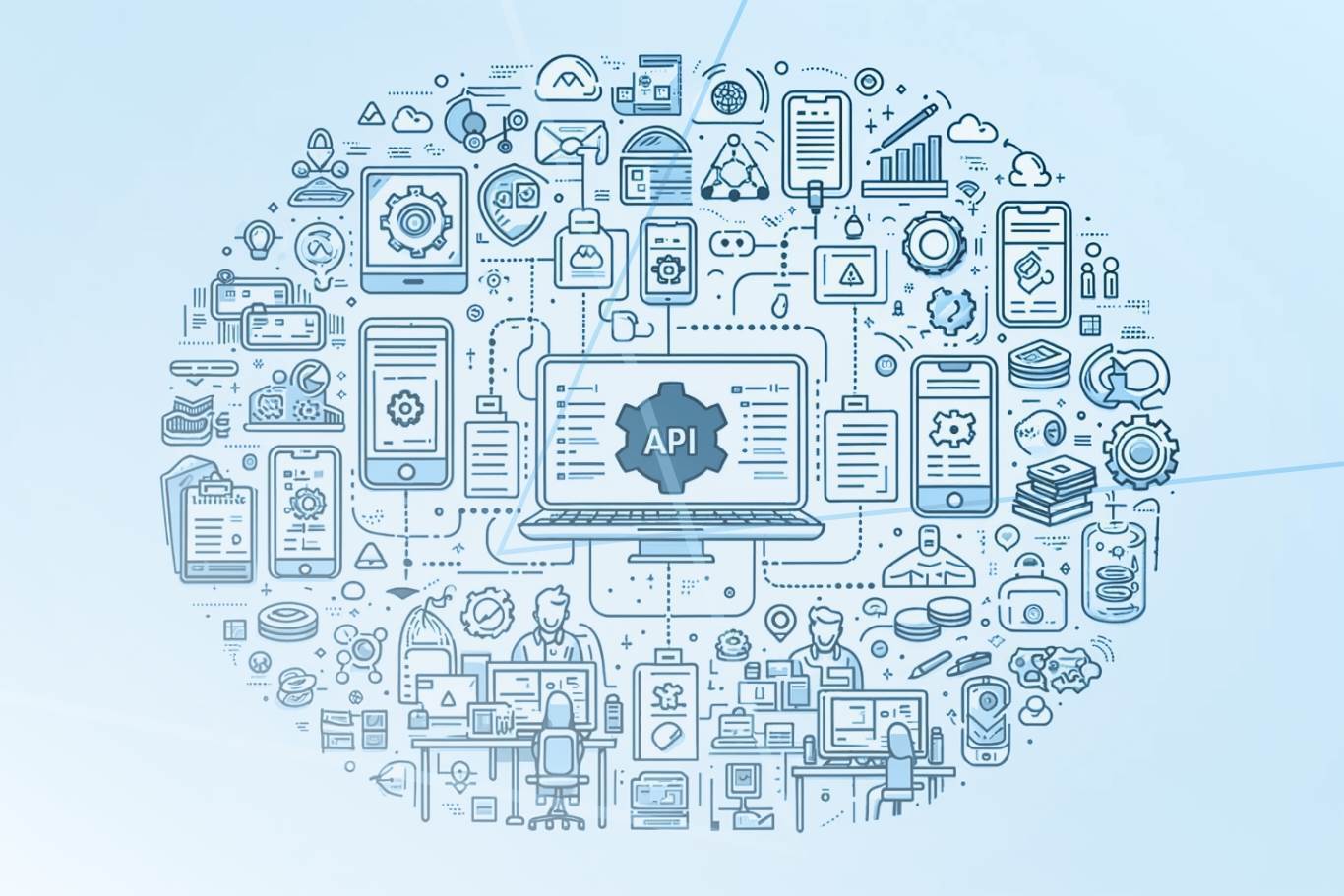
API testing is a fundamental pillar in custom software development, especially in a context where applications and web services require continuous integration and efficient communication between different systems. Today, I want to share some key strategies that can help you ensure both the quality and performance of the APIs you develop or implement in your company.
Understanding the importance of testing
Before diving into the strategies, it is crucial to understand why API testing is so important. In web application development, these tests not only verify the functionality, performance, and security of application programming interfaces, but also ensure that service integration occurs smoothly, thus facilitating your business's digital transformation.
Effective strategies for API testing
User-centered test design: When designing tests for APIs, think about how end users will interact with the application. This includes everything from making purchases in an online store to using cross-platform applications on mobile phones and tablets. Understanding these scenarios helps create more effective tests that simulate real usage.
Test automation: Automation is vital for large projects, especially when dealing with custom applications that require frequent testing during development phases. Automation tools can execute repeatable and consistent test suites, saving time and reducing manual errors.
Version management and test environments: Maintain different test environments for development, testing, and production. This not only helps simulate how APIs will function in different environments but also protects data and the stability of the production environment.
Continuous monitoring and performance testing: Using tools that allow real-time monitoring of API behavior is essential to detect performance issues before they affect users. Additionally, performing load and stress tests helps understand the capacity limits of your APIs.
Security and regulatory compliance: With growing concerns about data security and online privacy, security testing is indispensable. This includes validating authentications, secure cookie handling, and protection against common security vulnerabilities.
Continuous integration testing: In an environment where digitalization and service integration are constant, continuous integration testing ensures that new features or changes in APIs do not break existing functionalities. This is crucial in development services that implement frequent updates.
Conclusion
Ultimately, conducting thorough and well-planned API testing not only improves software quality but also optimizes performance and user experience, key factors for success in the digital age. Implementing these strategies will allow you to anticipate problems and resolve them efficiently, thereby maintaining your clients' trust and strengthening your company's position in the market.