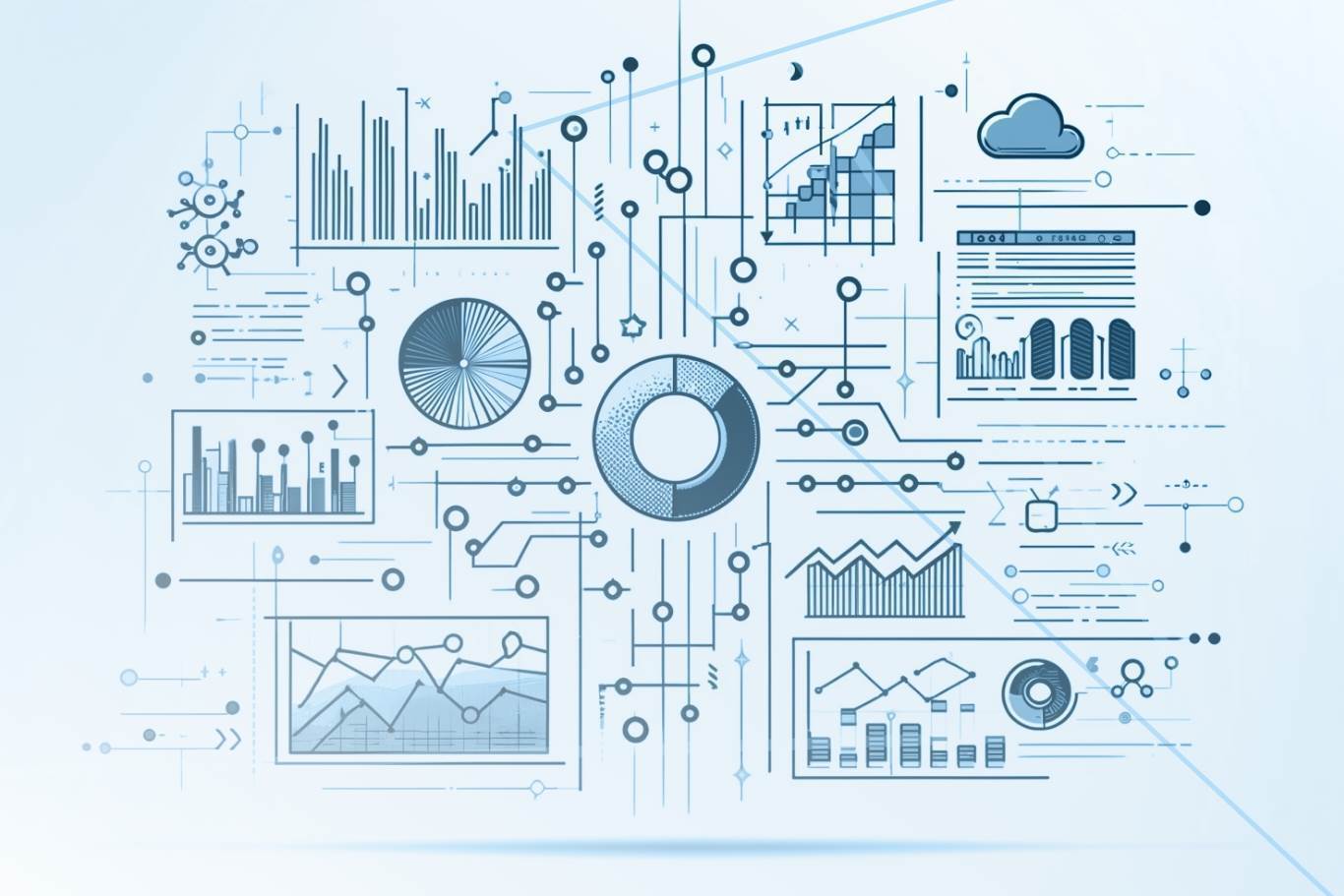
Predictive analytics emerges as an indispensable tool for anticipating future trends and behaviors. Power BI, known for its robustness and flexibility, positions itself as an ideal solution for B2B companies seeking to extract value from their data in an intuitive and effective way.
Predictive Analytics: A Competitive Advantage
Predictive analytics uses statistical and modeling techniques to forecast future events based on historical data. In the context of a B2B business, this translates into a better ability to respond to market dynamics and an optimization of future strategies, from marketing to product development.
Power BI facilitates the integration and visualization of large volumes of data from various sources, including databases, custom applications, and online platforms. This capability allows businesses not only to better understand their current operations but also to anticipate changes and adapt proactively.
Practical Applications of Predictive Analytics in Power BI
Supply Chain Optimization: Through predictive models, companies can forecast product demand and adjust their production and logistics efficiently. This is especially valuable for online stores and ecommerce, where precision in inventory management can mean the difference between success and failure.
B2B Marketing Personalization: Power BI helps segment audiences and personalize offers based on past behavior and anticipated trends. This results in more effective marketing campaigns, better conversion on websites, and ultimately, a higher return on investment.
Customer Service Improvement: By anticipating customer needs and problems before they occur, companies can offer proactive solutions, thereby improving customer satisfaction and loyalty. This is crucial in a market where competition for customer attention is intense.
Challenges and Considerations
Implementing predictive analytics is not without challenges. It requires an initial investment in technology and training, as well as an ongoing commitment to data quality. Companies must ensure their data is complete, accurate, and relevant to obtain reliable predictions.
Additionally, interpreting results and integrating them into business strategies requires deep knowledge of both the business and the analytical tools. This is where the expertise of professionals in software development and data analysis becomes invaluable.
Conclusion
The integration of predictive analytics in Power BI offers B2B companies a powerful tool to navigate a constantly changing market. By transforming data into actionable insights, companies can not only improve their current operations but also plan more effectively for the future, thus ensuring their relevance and competitiveness in the digital age.