“Its a great place !!!”
Cliente verificado

AI GOVERNANCE
Shadow AI does not start with a strategy decision: it starts with someone pasting a spreadsheet into a chat to finish before dinner. The problem is not the tool; it is that company data leaves the perimeter and critical applications end up with no owner, no review and no backup.
Shadow AI is any use of artificial intelligence inside the company that IT has not approved, cannot see and cannot audit: personal ChatGPT or Claude accounts, browser extensions, coding agents installed on laptops and applications built with AI to solve a specific process.
It appears for a very human reason: the good tool is one click away and the IT ticket takes weeks. When an employee has a 4,000-row spreadsheet and a Monday meeting, they use whatever is at hand. They are not breaking rules for fun; nobody gave them a path that is just as fast and safe.
The risk is concrete: customer data in accounts without a processing agreement, code with unknown licences, applications that die when their author leaves and AI spend nobody can explain at month end. With the AI Act and GDPR obligations in place, you also need to show which AI systems you use and with what data.
Banning does not work: it keeps happening, just hidden. What works is discovering it, setting clear rules and offering a fast, governed lane for what the business actually needs.
THE CHALLENGE
Nobody approved it, but it is used on every floor: assistants, agents that write code and tools that generate entire applications.
Employees paying for their own subscription to finish sooner, with nobody knowing which data they pasted or where it lives now.
IT cannot protect what it does not know exists. Without a list of tools, accounts and applications there is no control and no audit answer.
Customer information in tools without a data processing agreement is a GDPR breach, whether or not anything has leaked yet.
APPROACH
Banning does not work: usage comes back through the back door. The way out is an official lane that is better than the shortcut.
We inventory tools, accounts, applications and environments with who uses them and what data they touch, without interrogations or blame.
Each use is ranked by the data it handles and the impact if it fails: from queries with no personal data to applications that move money.
An official path is enabled —corporate identity, registry and version control— so building fast does not mean building blind.
What adds value moves to the governed lane with an owner and a repository. What does not gets switched off on an agreed plan, not by decree.
DELIVERABLES
Concrete assets that turn an invisible practice into a managed capability.
A living list of tools, applications and agents in use, with owner, data processed and criticality for each one.
What may be used, with which data and which providers, written so the team applies it without asking about every case.
An environment where creating applications is fast yet recorded, with code in a repository and controlled deployment.
Risk, cost and progress on one page: what has been inventoried, what has been migrated and what remains, with dates.
TRUST
We have delivered enterprise software since 2008 with teams in Barcelona and Madrid and remote collaboration across Spain, Europe, LATAM and the US. Secure development practices and ENS awareness, with code and data always under your control.
FAQ
Tell us what you need around shadow AI. We will help you turn it into a clear, viable delivery plan.
Lo que dicen empresas que ya trabajan con nosotros
PROYECTOS DESTACADOS
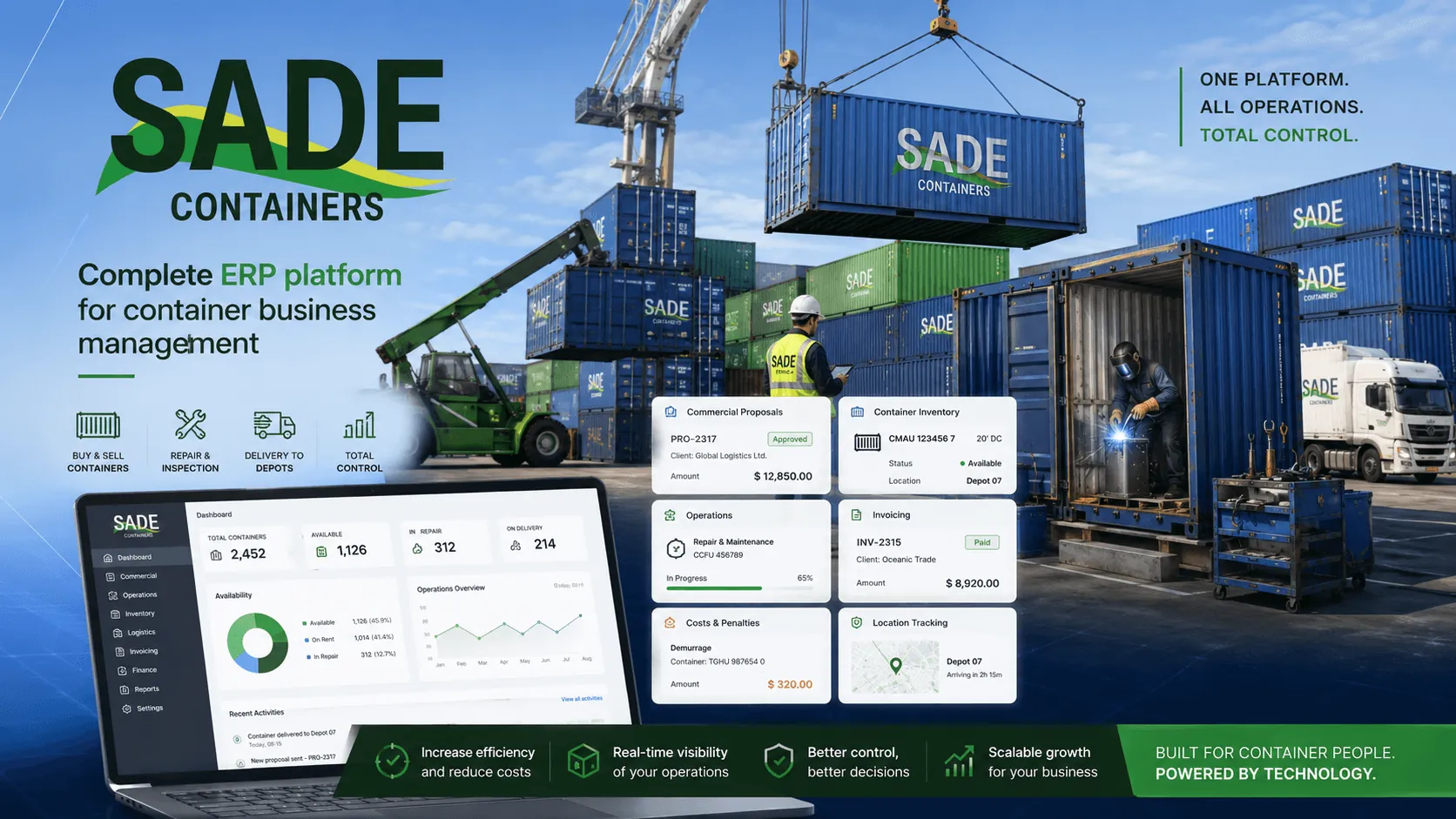 Development+8
Web / SaaS platform +5
Industry · Logistics and transport
 Development+9
E-commerce / online store +8
Industry · Education and EdTech
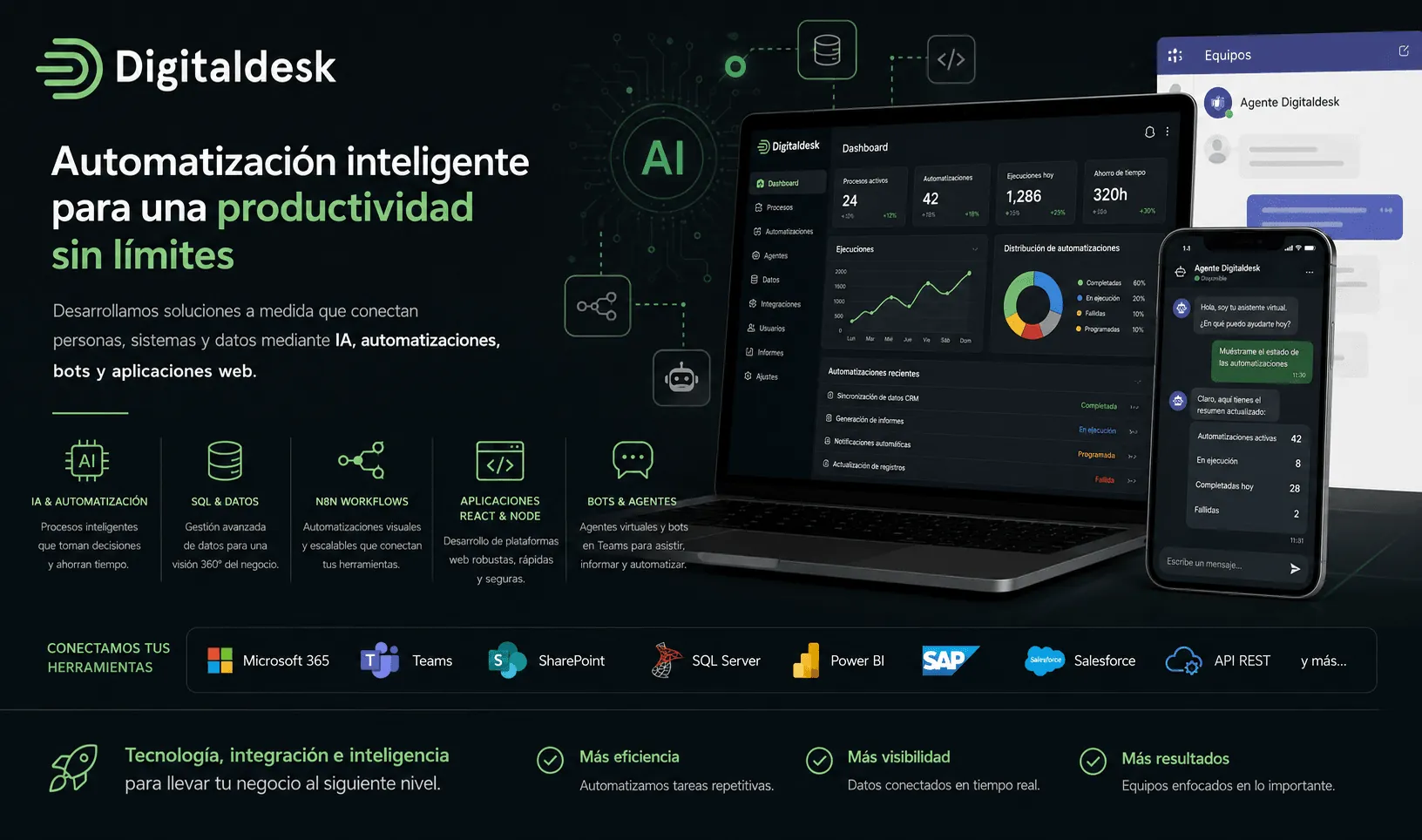 Development+11
Mobile App (iOS / Android) +10
Industry · Professional Services