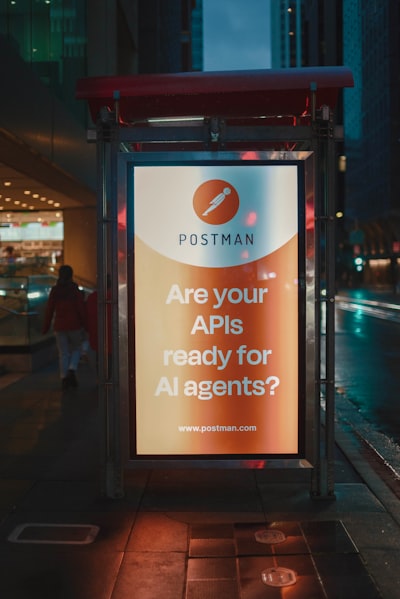
The enterprise artificial intelligence ecosystem has matured to a point where the distribution of computational capacity has become a business model as viable as any SaaS, but with a differential advantage: you don't need to develop the product, you just need to know how to take it to the right market. In 2026, reselling AI APIs is not an affiliate gimmick, it's a channel strategy that is being adopted by agencies, technology consultancies, and developers who understand that the value is not in the language model, but in the layer of integration, support, and trust you build around it. The model works like this: you access a catalog of models (language, vision, code generation, speech) through an infrastructure provider, pay a wholesale price, and resell access at a margin. The key is that you don't sell tokens, you sell operational continuity. Your customers don't want to manage API keys, deal with rate limits, or understand the differences between GPT-4o, Claude 3.5, or Gemini. They want their app to run smoothly. That's where a well-positioned reseller can charge a premium for a service that includes onboarding, monitoring, and technical support. If you work with a company like Q2BSTUDIO, which offers AI for companies with a focus on integration over infrastructure, you can combine API reselling with the development of custom solutions, generating a recurring revenue ecosystem that is much stronger than any single commission.
The first critical decision is to choose the resale platform. Not all of them offer the same conditions or the same stability. Look for programs that pay recurring fees on your customers' monthly consumption, not just a one-time commission for the first purchase. Recurrence is what makes this model a scalable business: a customer who spends €500 a month and leaves you a recurring 10% generates €600 a year just by keeping it active. If you manage 100 customers, we are talking about €60,000 per year in passive income, not counting initial sales. In addition, you need the provider to have a wide catalog – at least 100 models – so that you can serve different segments without having to change platforms. Single integration is another factor: if you can connect your customers with a single endpoint that then routes to the right model, you drastically reduce technical friction. At this point, having experience in custom applications gives you a huge advantage, because you know how to design that abstraction layer without having to depend on third parties.
Market segmentation is where most fail. Selling 'AI access' to everyone is a recipe for high CACs and low conversions. The best performing niches in 2026 are marketing agencies that need to automate content generation, data consultancies that integrate models into analysis flows, law firms that use AI for document review, and small startups that don't want to manage cloud infrastructure. Each of these segments has a specific pain: some need scalability, others privacy, others simplicity. Do your research thoroughly before building the funnel. An effective technique is to create a niche landing page, with a lead magnet such as a return on investment calculator or a free audit of current costs. It measures the conversion of each one and duplicates what works. If you also offer complementary services such as consulting or integration with power bi platforms, the perceived value of your offer goes up and you can charge margins of 30-40% without the customer complaining.
Retention is the real driver of the business. A recurring commission of 8-10% on monthly consumption is only profitable if you get customers to stay for at least 12 months. To do this, you need a robust onboarding process: automated welcome, training in the first 30 days, fast reactive support, and a proactive alerting system that alerts the customer before they run out of credit or have an unexpected spike in usage. Tools like Slack or Discord for communities reduce friction and increase loyalty. It is also advisable to carry out periodic consumption reviews: if you see that a customer is underusing the service, offer them a cheaper plan before they ask for it. That builds trust and reduces the likelihood of churn. In my experience, the monthly retention rate above 95% is achievable if you dedicate at least 30% of your time to after-sales.
The most common mistakes are threefold: underestimating the technical complexity, not reviewing the conditions of the affiliate program and scaling before having a profitable funnel. Many first-time resellers jump into building custom integrations when they haven't yet validated demand. It's best to start by redirecting traffic directly to the provider with your affiliate link, and only when you see the customer repeat, you invest in creating your own management layer. They also forget that programs often have fee scales: when you reach a certain volume of recurring revenue, you can negotiate a higher percentage. Don't wait for them to offer it to you; Ask for it explicitly when you reach, for example, €3,000 a month in commissions. Finally, scaling without having a proven CAC and a projected LTV is like building a house on sand. First you get 10 customers with positive margins, then 50, and only then do you think about automating the acquisition with ads or SEO.
The future of this model lies in custom AI agents. Instead of reselling only API access, you can package agents that perform entire tasks: one agent that generates sales reports, another that answers customer questions, another that automates content moderation. Each agent consumes tokens from underlying models, but the markup you can apply is much higher because you offer a complete solution, not a component. Combining API reselling with AI agent development is a strategy that technology consultancies are adopting and that Q2BSTUDIO masters thanks to their experience in AI for companies and process automation. In addition, agents require monitoring, updates, and ongoing support, resulting in even higher recurring revenue than simply reselling tokens. Add to that services capabilities, business intelligence, real-time data analytics, and dashboards in Power BI, and you have a comprehensive offering that few competitors can match.
In short, the resale of AI APIs in 2026 is a real business, with numbers that add up if you understand that you are selling trust and continuity, not just access to models. You need a solid platform, a clear niche, a flawless retention process, and the ability to move up the value chain — from affiliate to reseller, reseller to agent integrator. If you also collaborate with a technology partner such as Q2BSTUDIO, which offers custom software, AWS and Azure cloud services and cybersecurity, you can build a differentiated offer that justifies higher margins and builds customer loyalty for years. The market is mature, the barriers to entry are low and the potential return, if executed with discipline, is very attractive.