
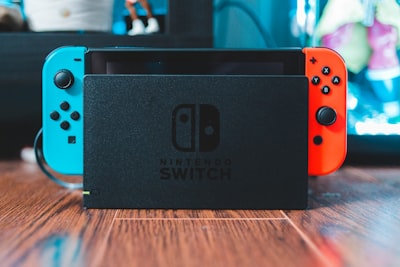
The world of retro gaming is experiencing a new golden era, driven by nostalgia and the creativity of manufacturers who seek to merge the classic with the modern. In this context, an innovative accessory has captured the attention of enthusiasts: a retro dock for the future Nintendo Switch 2, whose design evokes the iconic Nintendo 64 and incorporates a slot to store up to six games. Not only does this product promise a trip to the past, but it raises interesting questions about how technology can pay homage to its roots without losing sight of today's functionality.
The concept of a dock with an N64 aesthetic is no coincidence. The Nintendo 64 marked an entire generation with its unique truncated-pyramidal shape and iconic joystick. By translating that silhouette to the Switch 2's charging dock, an emotional bridge is created between gamers who grew up with the 64-bit machine and contemporary users. The additional six-game slot, which will likely house cartridges or game cards, adds a layer of practicality that is in high demand by those who own physical collections. In a market where digital storage space remains a challenge, this solution offers order and immediate accessibility.
From a technical perspective, the dock must ensure efficient data transfer and charging. The Switch 2, with its likely support for 4K and AI scaling technologies, demands a foundation that doesn't throttle performance. This is where custom application development and custom software becomes crucial. Companies like Q2BSTUDIO can design firmware that handles cartridge detection, driver updates, or even synchronization with cloud services. Customizing the software to recognize each title and offer themed wallpapers based on the emulated console is an example of how custom software elevates the user experience.
The integration of artificial intelligence in these retro docks is not a fantasy. AI systems can optimize loading speed by prioritizing the most used titles, or apply real-time graphical filters to smooth out polygons of classic games. AI agents could even learn the player's preferences and suggest smart sorts in the game slot. This layer of AI for companies applied to home entertainment is a field of innovation that development companies such as Q2BSTUDIO are already exploring in their automation and personalization projects.
Of course, no connected device is without risk. Cybersecurity should be a pillar in dock design, especially if it includes wireless connectivity or updates via the internet. An attack on the base could compromise the console or steal game account credentials. For this reason, it is essential to apply cybersecurity protocols from the prototyping phase, something that Q2BSTUDIO offers as part of its custom application development services, integrating penetration testing and data encryption.
The infrastructure that supports this dock can also benefit from AWS and Azure cloud services. For example, a complementary mobile application that manages the game library from the cloud would allow the user to know what titles they have inserted, download patches or even share lists. The scalability offered by AWS and Azure cloud services is ideal for handling spikes in demand during the launch of a long-awaited product. Q2BSTUDIO has experience in migrations and optimization of cloud environments, ensuring that the experience is seamless for both the manufacturer and the consumer.
Another aspect to consider is usage analytics. Using business intelligence and power bi services, developers can collect anonymous metrics about which games are embedded most frequently, usage times, or hardware issues. This information, processed with power bi, allows future iterations of the product to be improved and unmet needs to be detected. Business intelligence applied to retro hardware is a trend that makes the difference between a merely aesthetic accessory and a truly intelligent one.
The retro design of the dock also opens up opportunities for data-driven marketing strategies. Companies like Q2BSTUDIO can help manufacturers implement AI for businesses that analyzes social media and gamer forums, identifying which elements of the N64 design generate the most engagement. Thus, the product not only satisfies nostalgia, but aligns with current trends in personalization and community.
In short, this retro dock for Nintendo Switch 2 with a Nintendo 64 design and a slot for 6 games represents much more than just an accessory. It's an example of how modern technology can embrace nostalgia without giving up innovation. For such a product to succeed, an ecosystem of
