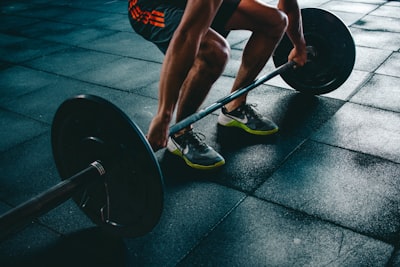
Soreness, technically known as Delayed Onset Muscle Soreness (DOMS), is a natural response after unfamiliar physical exertion. It's not a serious problem but rather an adaptation process that requires intelligent management. This article explores the most effective methods to relieve it, what practices to avoid, and how technology can support this process, all from a technical and business perspective connected to the experience of custom software and digital solutions from Q2BSTUDIO.
Understanding DOMS is the first step: the pain comes from micro-tears in muscle fibers triggering repair mechanisms, much like how a computer system recovers after a load spike—it needs time, resources, and a proper recovery strategy. At Q2BSTUDIO we apply similar principles when designing scalable and resilient software.
Gentle movement and active rest — The most counterintuitive advice is not to stop completely. Walking, low-resistance cycling, or gentle yoga helps reduce stiffness by increasing blood flow. Technologically, this resembles autoscaling in cloud environments like AWS or Azure: gradually adjusting resources avoids overload and speeds recovery. Q2BSTUDIO integrates AWS/Azure cloud in its projects to ensure applications respond adaptively to demand, just as the body responds to light movement.
Heat therapy: saunas and baths — Applying heat (sauna, hot bath, heating pad) relaxes muscles and eases pain. In artificial intelligence, this translates to model warm-up or fine-tuning IA agents. The AI agents we develop at Q2BSTUDIO require training data and feedback cycles to improve—a process similar to muscle recovery through heat.
Massage and myofascial release — Professional massage, foam rollers, or massage guns improve circulation and reduce tension. In cybersecurity, a metaphorical 'massage' is continuous vulnerability auditing and patching. Q2BSTUDIO offers cybersecurity services that keep systems 'relaxed' against threats, detecting and fixing weak points before they become major issues.
Nutrition and sleep — Good sleep and adequate protein and carbs accelerate muscle repair. In business, accurate data availability is equally vital. The BI/Power BI platforms we implement allow monitoring performance metrics, identifying patterns, and making informed decisions, much like a balanced diet and rest optimize physical recovery.
What NOT to do — Myths and counterproductive practices exist. Intense stretching can cause more damage; ice baths interfere with necessary inflammatory processes; routine use of NSAIDs like ibuprofen hinders muscle adaptation. And most importantly, skipping your next workout is not recommended: the 'repeated bout effect' shows that each session protects against future soreness. In the digital ecosystem, ignoring failures or not applying updates leads to instability. Q2BSTUDIO advises clients to avoid these 'anti-patterns' through process automation and custom software solutions that adapt to business evolution.
Ultimately, soreness is a sign of growth, not alarm. Managing it intelligently—appropriate movement, heat, massage, good nutrition, and sleep—is key, just as maintaining technological systems with scaling, security, and data analysis strategies is essential. At Q2BSTUDIO, a software development company, we know both the human body and applications require a holistic approach. If you seek to optimize your performance—sports or business—our AI, cloud, and BI solutions can help you reach your goals.