In today’s digital era, businesses face constant pressure to streamline operations and stay competitive. One of the most effective strategies for achieving this is intelligent automation, which allows teams to free up time and resources by delegating repetitive tasks to specialized systems. In this context, custom software emerges as the most flexible and scalable solution to transform critical processes into automated workflows that seamlessly integrate with existing tools.
The concept of process automation goes beyond simply replacing paper with computers. It involves designing, implementing, and optimizing processes that run with minimal human intervention, ensuring accuracy, traceability, and regulatory compliance. When an organization decides to automate its operations, it typically starts by identifying the processes that consume the most time and generate the highest risk of error. Classic examples include electronic invoicing, automatic lead assignment to sales teams, or monthly accounting close—once automated, these free employees for higher‑value strategic tasks.
For automation to be truly effective, the software must meet three essential requirements: deep integration, adaptable customization, and robust security. Deep integration means the system connects seamlessly with ERP, CRM, and other critical platforms using APIs, webhooks, or pre‑built connectors. Adaptable customization is achieved through configurable modules, drag‑and‑drop workflows, and business rules that reflect internal policies and industry regulations. Finally, robust security protects sensitive data through encryption, multi‑factor authentication, and continuous audits.
Q2BSTUDIO positions itself as a strategic partner in this process, offering a development methodology that blends low‑code agility with the power of bespoke solutions. Its approach is based on collaborative sessions where business and technical teams work together to map requirements, design flows, and validate prototypes. This model not only accelerates delivery time but also ensures the final solution remains maintainable and scalable in the long run.
One of the key advantages of custom software is the ability to incorporate artificial intelligence and machine learning to enhance decision‑making. For instance, an AI agent can analyze consumption patterns and predict sales trends, while voice recognition algorithms can automate data entry into accounting systems. Q2BSTUDIO facilitates the integration of these components through AI services tailored to each client’s specific needs.
Cybersecurity is another fundamental pillar in automation. Each new workflow introduces potential attack vectors, making strict access controls and early detection mechanisms essential. Q2BSTUDIO offers cybersecurity and pentesting as an integral part of its proposal, ensuring solutions not only work but also withstand emerging threats.
Deploying in the cloud, whether on AWS or Azure, brings flexibility and scalability, allowing applications to adjust dynamically to demand. The cloud also facilitates integration with analytics and BI services, such as Power BI, enabling organizations to visualize key metrics in real time and make data‑driven decisions.
To illustrate the impact of automation, consider a typical case: a logistics company managing hundreds of shipments daily. Before automation, route assignment and manual tracking required hours of staff effort. With an automated system, routes are optimized in real time, drivers receive instant notifications, and the company cuts operating costs by 25%. Clients also get accurate, timely status updates, improving overall satisfaction.
Another example is the financial sector, where automating compliance and audit processes reduces regulatory risk. By integrating workflows that verify transactions in real time and generate automatic reports, institutions can meet regulations like GDPR or PCI DSS without sacrificing efficiency.
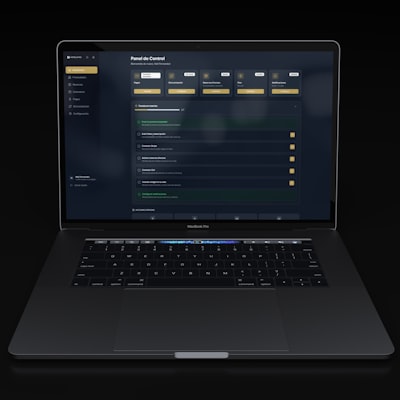
For automation to be sustainable, organizations must adopt a culture of continuous improvement. This involves monitoring workflow performance, gathering user feedback, and adjusting rules as needed. Q2BSTUDIO facilitates this practice with custom dashboards that display performance metrics, cycle times, and error rates.
In conclusion, custom software to automate your business is not just a tech trend; it’s a strategic imperative that allows companies to optimize resources, reduce errors, and respond quickly to market changes. With the right mix of integration, customization, security, and artificial intelligence, organizations can turn critical processes into competitive assets. Q2BSTUDIO, with its collaborative approach and tailored solutions, is ready to accompany businesses on this digital transformation journey.