The evolution of business management has moved from spreadsheets and manual processes to integrated digital solutions that enable organizations to make data-driven decisions, optimize resources, and respond quickly to market changes. An enterprise management application is more than just software; it is the backbone that connects finance, operations, sales and human resources into a single coherent platform. In this article we will explore how to start developing a custom application, from defining objectives to implementation and scaling, with a technical and business perspective that highlights the benefits of partnering with an expert like Q2BSTUDIO.
1. Define vision and objectives
Before writing a single line of code, it is essential for corporate leadership to establish a clear vision. Ask: Which processes are critical? Where do bottlenecks occur? What metrics truly matter for the business? Answering these questions creates a value map that will guide every technical decision. Q2BSTUDIO assists in this phase with discovery workshops where high-impact use cases are identified and prioritized based on ROI.
2. Choose the right architecture
The choice of architecture determines scalability, security and maintainability. Today, microservices or serverless architectures are preferred for their flexibility. Integration with cloud services such as AWS or Azure allows leveraging on-demand resources and guarantees high availability. AWS/Azure Cloud is one of Q2BSTUDIO’s key offerings, providing migration, management and optimization of cloud infrastructure.
3. Design a robust data layer
Data quality is the foundation of any intelligent decision. A well-thought data architecture includes: ETL/ELT for integration, a Data Lake for flexible storage and a Data Warehouse model for analytical queries. Q2BSTUDIO implements data pipelines with modern tools, ensuring that information flows without loss and is available for real-time analysis.
4. Integrate Artificial Intelligence and automation
AI is not a luxury but a competitive necessity. From chatbots that handle customers to predictive algorithms that optimize inventory, AI boosts efficiency. Q2BSTUDIO offers AI agents that integrate directly into the application, reducing response times and improving user experience.
5. Security and compliance
With digitization, cybersecurity becomes critical. A proactive approach includes multi-factor authentication, encryption at rest and in transit, and regular penetration testing. Q2BSTUDIO has a specialized service in cybersecurity and pentesting, ensuring the application meets regulations such as GDPR, ISO 27001 and other sector-specific standards.
6. Integrate Business Intelligence
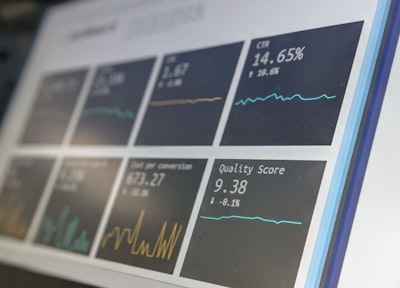
Collected data must be turned into actionable insights. Tools like Power BI allow creating interactive dashboards that display real-time KPIs. Q2BSTUDIO facilitates integration with Power BI, enabling end users to explore information without technical knowledge.
7. Agile development and continuous testing
Custom software development benefits greatly from an agile approach. Short sprints, constant feedback and automated testing ensure the product evolves aligned with real needs. Q2BSTUDIO adopts Scrum and DevOps methodologies, integrating CI/CD pipelines that accelerate delivery without compromising quality.
8. Pilot implementation and scaling
Before a full rollout, it is recommended to start with a pilot in a critical unit or process. This phase allows measuring impact, adjusting configurations and validating success metrics. Once validated, the solution is deployed in phases, ensuring each module is fully functional and that the team receives necessary training.
9. Training and cultural change
Technology is only one piece of the puzzle. Success depends on user adoption. Training programs, accessible documentation and continuous support channels are essential to foster a data-driven culture.
10. Monitoring, maintenance and evolution
Once in production, the application must be constantly monitored. Observability tools detect anomalies and support teams respond quickly. Additionally, technological evolution requires periodic reviews: new functionalities, performance improvements and adaptation to regulatory changes.
In summary, starting an enterprise management application is a strategic process that combines corporate vision, modern architecture and disciplined execution. Partnering with Q2BSTUDIO, which offers custom software development, process automation and comprehensive support, guarantees that the solution not only meets current requirements but is also scalable and future-ready.