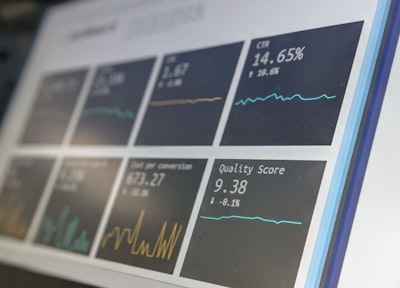
Implementing an enterprise management application is not just about installing new software; it’s about transforming how your organization operates, makes decisions, and responds to the market. In an environment where data is the most valuable asset, having a custom solution that integrates critical processes can make the difference between sustained growth and stagnation. Below is a practical, technical approach to successfully carry out this transformation.
1. Define the vision and strategic objectives
Before the technical team starts designing the architecture, it’s essential to align leaders and stakeholders around a clear vision. Key questions: Which processes generate the most value? Where are bottlenecks occurring? What performance indicators (KPIs) matter most to the leadership?
This phase should culminate in a vision document that describes expected outcomes, initial scope, and success metrics. A common goal is to reduce closing time by 30 % or increase sales forecasting accuracy by 15 %. Clarity here prevents scope creep during development.
2. Process mapping and gap analysis
With the vision in hand, map current processes. Use BPMN flowcharts or tools like Visio to visualize each step from data capture to report generation. Identify manualities, duplications, and error points.
The gap analysis compares the current state with the desired vision. Document differences and prioritize by impact and feasibility. For example, if the expense approval process involves three manual paper approvals, the gap is high and the solution must include a digital approval workflow.
3. Define pilot scope and select technology
Enterprise management projects are complex, so it’s advisable to start with a pilot covering a critical but limited function. Choosing the right scope balances risk and visibility: an invoicing module or a BI dashboard can be good candidates.
Regarding technology, Q2BSTUDIO offers a robust portfolio that includes custom software based on .NET, Java or Node.js, with native integration to AWS/Azure cloud. The choice should consider scalability, regulatory compliance and maintenance ease.
4. Architecture and user‑centric design
A modular architecture facilitates evolution. A microservices pattern with RESTful APIs, where each domain (finance, sales, HR) is independent yet communicable, is recommended. The presentation layer should be responsive and accessible, ensuring users on mobile or tablet have the same functionality.
UX design should be based on real user testing. An interactive prototype allows validating flows before coding, reducing rework.
5. AI and automation integration
Artificial intelligence is not a luxury; it’s a competitive advantage. Q2BSTUDIO integrates AI agents for repetitive tasks: automatic invoice classification, anomaly detection in transactions and predictive insights generation.
Process automation via BPMN workflows and tools like Camunda reduces human intervention in routine tasks. This frees time for higher‑value activities and minimizes errors.
6. Security and compliance
Managing sensitive data demands a solid cyber‑security posture. Q2BSTUDIO implements controls based on ISO 27001 and GDPR, with data encryption at rest and in transit. Additionally, periodic penetration tests via pentesting identify vulnerabilities before exploitation.
MFA and identity management with Azure AD or AWS IAM ensure only authorized users access critical information.
7. Business Intelligence and reporting
The value of an enterprise management app lies in turning data into decisions. Q2BSTUDIO uses Power BI to create dynamic dashboards that update in real time. Users can explore key metrics, spot trends and generate automated reports.
Integration with external data sources (ERP, CRM) via ODBC/JDBC connectors ensures information is always synchronized.
8. Training plan and change management
Technology is only one piece; human adoption determines success. A staged training program is recommended: initial workshops for leaders, practical sessions for end users and online material (videos, guides). Also establish a continuous support channel.
Change management includes constant communication, milestone recognition and fostering a culture of continuous improvement.
9. Incremental deployment and monitoring
Phased deployment allows validating each component before full production. Use CI/CD pipelines with Docker and Kubernetes for reproducible environments.
Performance monitoring (APM) and log tracing detect bottlenecks in real time. Tools like Prometheus and Grafana are ideal for visualizing availability, latency and usage metrics.
10. Post‑implementation evaluation and scaling
Once the pilot is in production, measure against defined KPIs. If results meet or exceed expectations, the next step is scaling the solution to other departments.
Scaling follows the same process: scope definition, modular architecture and integration testing. Technical documentation and user manuals should be updated to reflect new features.
In conclusion, successfully implementing an enterprise management application requires a structured approach that combines strategic vision, modern technology and change management. Q2BSTUDIO brings its expertise in custom software development, AI, cybersecurity and cloud solutions to ensure your business operates with clarity and efficiency. Digital transformation is not a destination but an ongoing journey fueled by data, automation and a culture focused on continuous improvement.