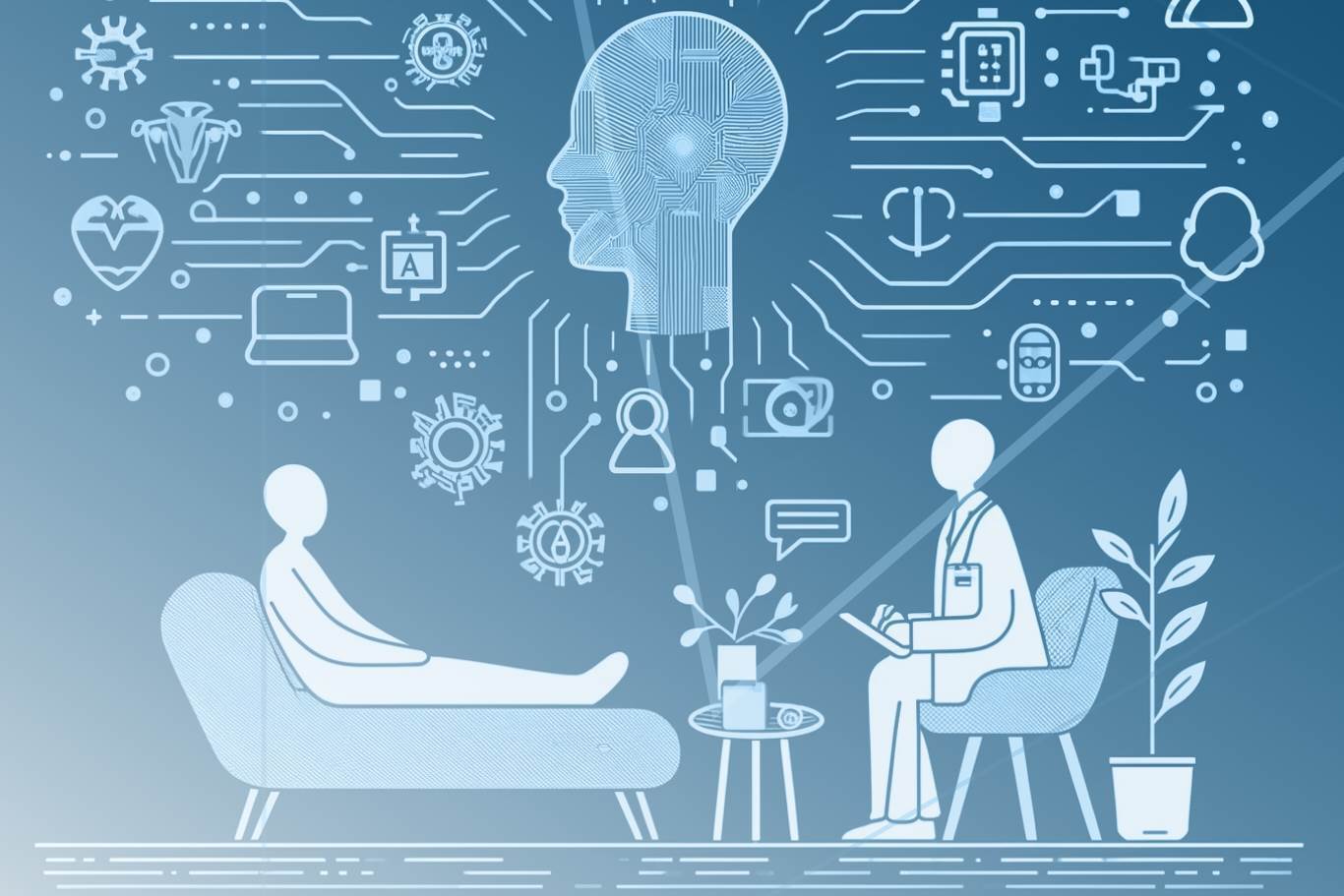
In mental health care, AI innovations are opening new possibilities for psychological support, offering alternatives that complement traditional methods and providing valuable resources for both patients and professionals.
A Look at Current Applications
AI-based applications and software are designing new pathways for the early detection and treatment of mental disorders. From mobile apps that monitor mood and behaviors to programs that analyze natural language used by patients during therapy sessions, AI is helping to transform the landscape of mental health care.
Treatment Personalization
One of the greatest benefits of AI in mental health is its ability to personalize treatment. Custom software can analyze data from a significant number of cases to identify patterns that would be imperceptible to a human. This capability allows treatments to be tailored to each patient's specific needs, significantly improving the effectiveness of psychological interventions.
AI-Based Self-Help Tools
For those who may not have immediate access to a therapist, AI-developed applications offer a valuable line of support. These apps provide exercises based on CBT (cognitive-behavioral therapy) and other therapeutic methods, offering relief in times of crisis and helping to manage symptoms of conditions such as anxiety and depression.
AI and the Future of Telepsychology
With digitalization and digital transformation accelerating, telepsychology has become more relevant than ever. The integration of AI into this field can take virtual therapy to new levels, providing real-time analysis during sessions and offering intervention recommendations based on accurate and up-to-date data.
Ethical and Practical Challenges
However, the implementation of AI in mental health is not without challenges. Data privacy, informed consent, and the need for a robust ethical framework are crucial aspects that must be carefully managed to protect patients and ensure that AI services are safe and reliable.
Success Stories
Several startups and established companies are leading the way in applying AI to mental health. For example, platforms that use AI chatbots to provide psychological first aid have proven effective in reducing the burden on mental health services and offering an accessible, low-cost first point of contact for users.
Conclusion
AI is setting a new standard for how psychological support can be delivered. As these technologies continue to develop, it is crucial that they do so with ethical and patient-centered consideration. With proper care, AI has the potential to bring about a substantial improvement in the quality of life for many people, making mental health care more accessible, efficient, and personalized than ever before.