The Role of APIs in Healthcare
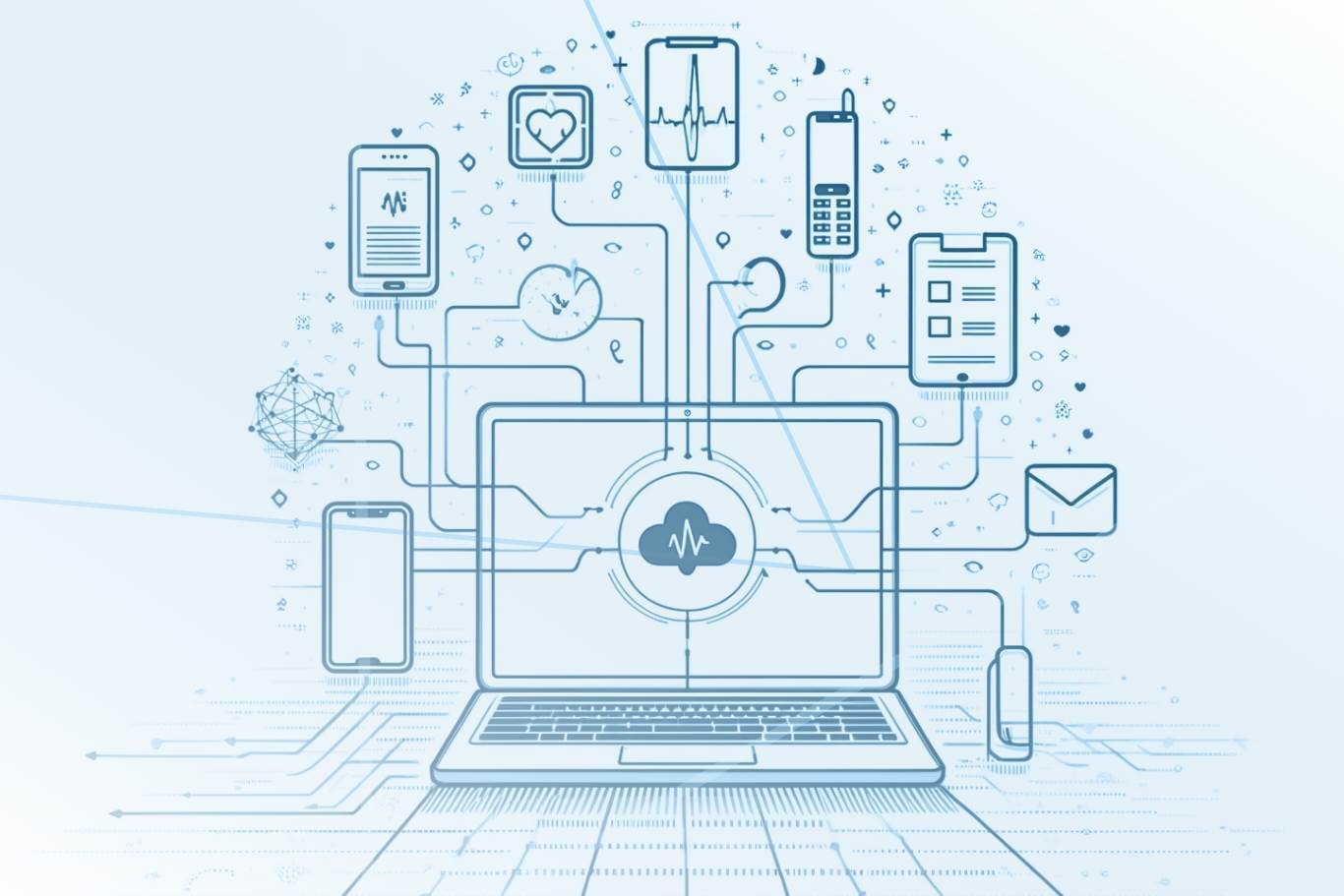
An API in the healthcare context allows different software programs to communicate with each other without human intervention. This means that independently developed systems can share critical health information securely and efficiently, improving the quality of patient service and optimizing response times in emergencies.
Innovation through Integration
The integration of services through APIs enables a centralization of data that was previously fragmented. In a clinic that uses APIs, a patient's data is instantly available to any authorized professional, from any device, whether a mobile phone, tablet, or PC. This accessibility can dramatically improve the accuracy of medical diagnoses and, consequently, the treatments offered.
Personalization of Medical Care
The development of custom applications for clinics and hospitals that use APIs is enabling a personalization of medical care like never before. The data collected through these applications allows doctors to adjust treatments to the individual needs of each patient, based on a deep analysis of their medical history and current conditions.
Challenges in Data Security and Privacy
However, the use of APIs also entails significant risks, especially regarding data security and privacy. Protecting sensitive medical information is paramount, and designing and implementing APIs that comply with security regulations is an ongoing challenge. Additionally, reliance on internet connectivity and back-end systems can present points of failure that must be mitigated to avoid interruptions in patient care.
Examples of Use and Success
Several hospitals in Europe are already implementing APIs to connect their electronic medical record systems with new mobile health applications. Furthermore, projects are being developed to integrate the use of blockchain technology to secure and verify the integrity of medical data shared through these interfaces.
Future Projections
As digitalization in healthcare advances, APIs will play an even more central role. The integration of artificial intelligence to analyze large volumes of medical data and offer personalized treatment recommendations is on the near horizon. These technologies promise not only to improve the efficiency of healthcare services but also to fundamentally transform how these services are delivered.
Conclusion
The integration of APIs in the healthcare sector is a clear example of how technology can improve people's quality of life. Despite the challenges, the future of medicine lies in digital innovation, and APIs will be an indispensable tool on this path towards more integrated and personalized medical care.