“Cercanos, ejecución impecable y resultados que hablan por sí solos. El proyecto se convirtió en un referente.”
Cliente verificado

SERVICE
Before banning anything or buying anything, you need to know what is in use. A shadow AI audit builds the real inventory of tools, accounts, agents and employee-built applications, and prioritises risk by data and criticality.
We start with the inventory: which AI tools are used, with which accounts, who pays for them and which applications appeared without IT. It is done through interviews and available technical evidence, without turning it into a witch hunt.
Then we measure exposure: which data those tools have touched, which applications hold customer or employee information and which systems are critical. Every finding is classified by likelihood and impact.
The deliverable is an executive report, the prioritised inventory, a 90-day action plan and a governed-lane proposal so what the business needs keeps being built without ending up in the same place.
THE CHALLENGE
You cannot audit what is not inventoried. The first finding of almost every AI audit is that half the usage appears in no record at all.
Tools paid for with personal cards, applications built over a weekend and agents installed without going through IT.
Nobody knows which customer information was sent to which provider or what has been stored on their servers.
When the audit question or a large customer asks, there is no inventory, no decision record and no documented legal basis.
APPROACH
We combine technical review, interviews and verifiable evidence: what cannot be demonstrated does not count as a control.
We review accounts, expenses, domains, repositories and cloud environments to locate AI usage that bypasses official channels.
For each use identified, we document which data goes in, with which provider, where it is processed and where it remains.
We check each case against GDPR and the AI Act obligations that apply, based on its purpose and the risk of the context.
Every finding carries an action, an owner and a deadline: critical items close first, not the easiest ones to fix.
DELIVERABLES
The result is a report that stands up before leadership, a corporate customer and a supervisory authority.
Usage inventory, findings ranked by severity and a clear conclusion on the current level of exposure.
Each use scored by data handled, impact and likelihood, with a justified remediation priority.
Documentation of providers, purposes and legal basis, ready to fold into your record of processing activities.
Concrete actions with owner and date, plus a verification criterion to prove each one has been closed.
TRUST
We review systems and security practices in companies since 2008, with offices in Barcelona and Madrid and remote collaboration across Spain, Europe, LATAM and the US. ENS-aligned practices and a least-privilege approach to client data.
FAQ
Tell us what you need around shadow AI audit. We will help you turn it into a clear, viable delivery plan.
Lo que dicen empresas que ya trabajan con nosotros
PROYECTOS DESTACADOS
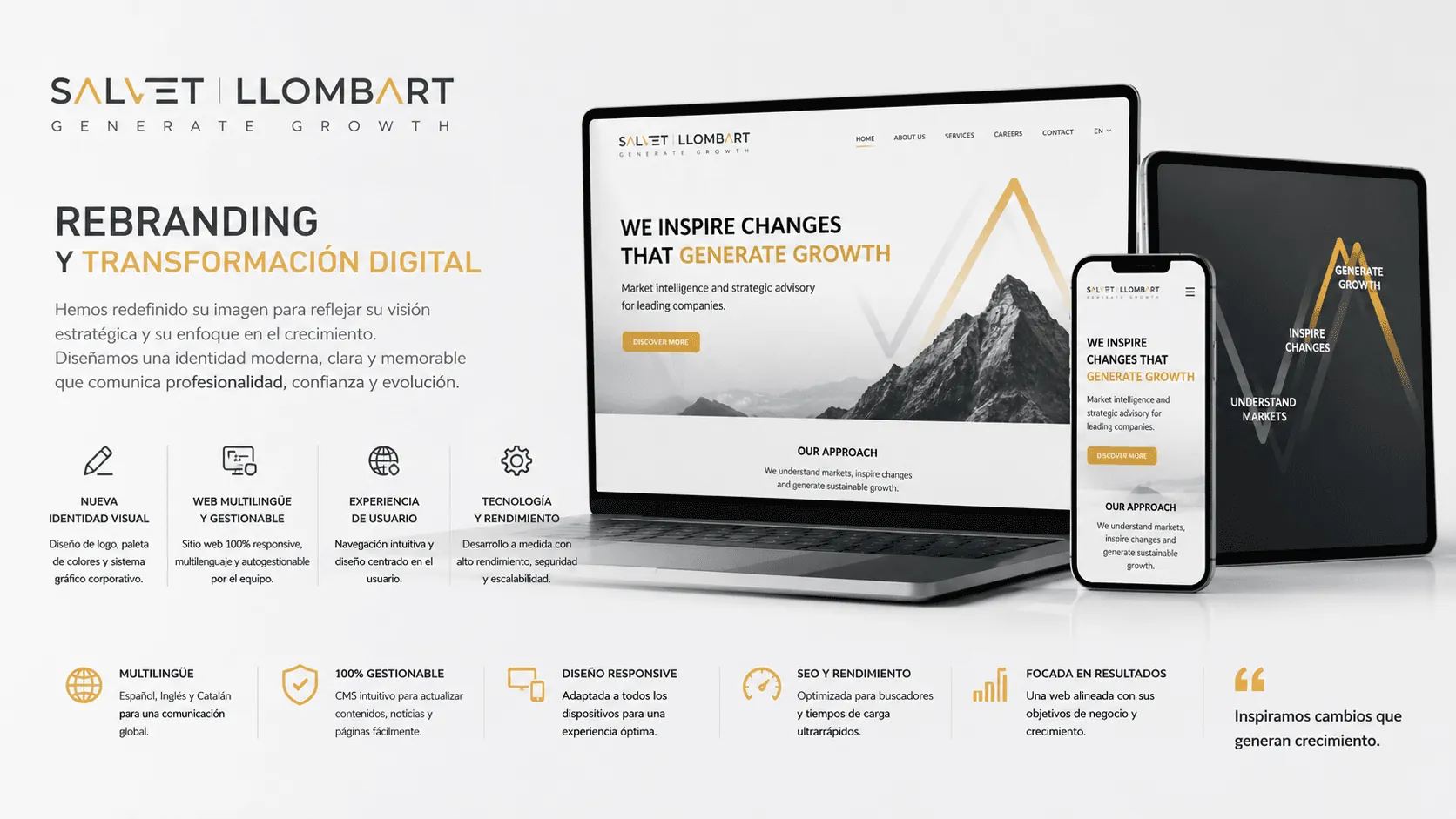 Development+2
Corporate website +3
Industry · Education and EdTech
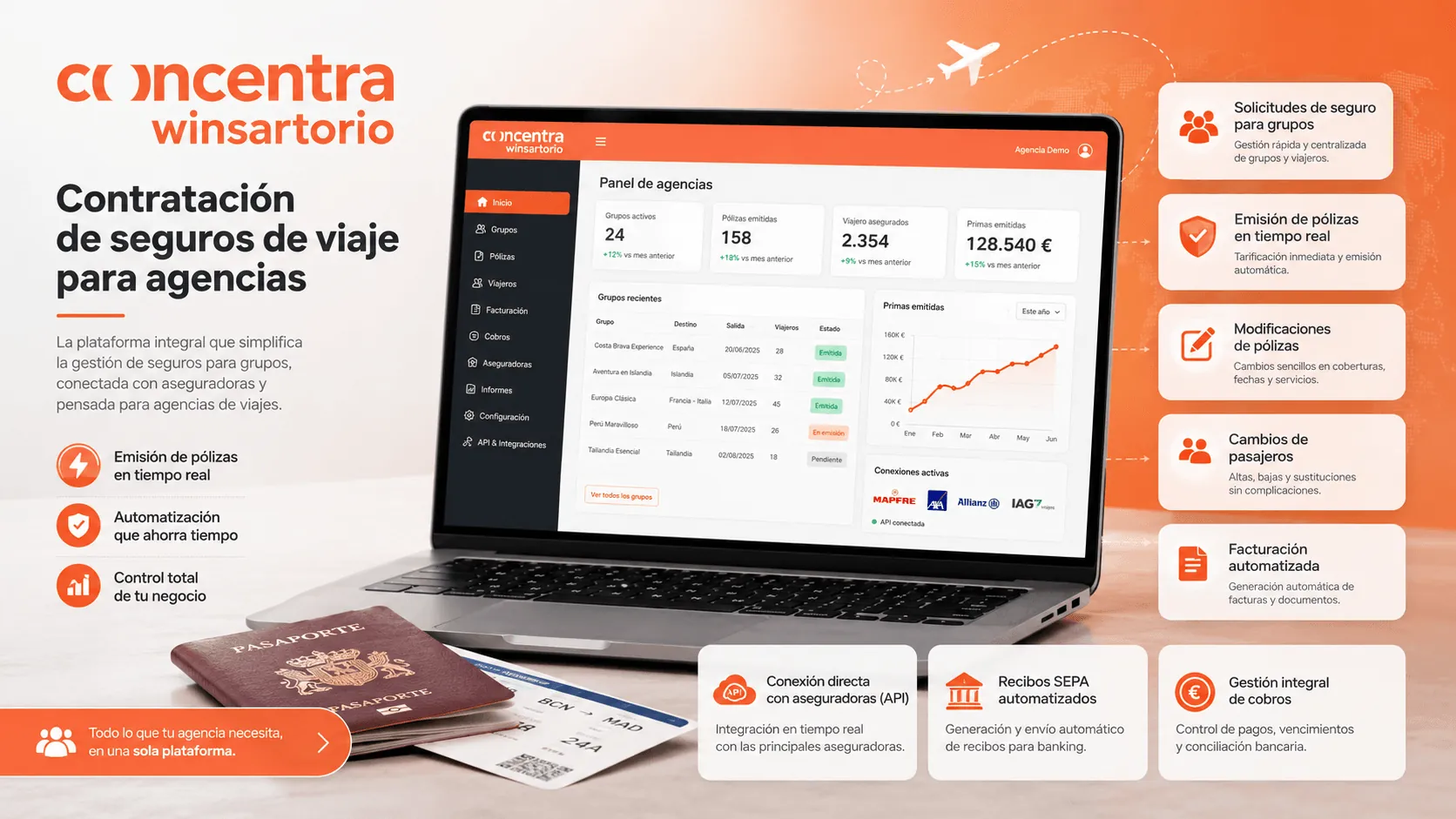 Development+6
Web / SaaS platform +2
Industry · Health and life sciences
 Development+7
Corporate website +8
Industry · Marketing and advertising