“Un estudio muy profesional, con excelente atención y un ambiente súper agradable. Te ayudan en todo y trabajan con mucha calidad. Totalmente recomendado.”
Cliente verificado

CHOOSING A VENDOR
When you outsource an application, the outcome depends on the team's judgement, how clearly scope is defined and who ends up owning the code.
Choosing a custom application development company should not come down to the final price alone. Compare first how each one defines scope, who owns the technical decisions and what happens the day you want to continue with another team, because that is where hidden costs usually appear.
A cheap quote with vague scope tends to become expensive, because every unclear point turns into a change request once the project has started. Asking for a written scope document with assumptions and exclusions before signing avoids that surprise and lets you compare proposals honestly.
Who answers technically for the product also matters: if you only talk to sales, decisions on architecture, security and integrations get made without you, and that shapes the outcome for years. A serious custom application development company gives you an accessible technical owner from the first meeting.
Q2BSTUDIO has been building applications since 2008 from Barcelona and Madrid, working remotely with teams across Spain, Europe, LATAM and the US. We hand over code, repositories and documentation to your company, with no lock-in that makes it harder to switch providers later.
THE DECISION
Proposals look alike on the surface; the differences show up once the project starts to move.
Each company includes different work, so the lowest figure is rarely the cheapest outcome. Without a shared breakdown, comparing final figures means comparing different things with the same label.
When you only talk to sales, architecture decisions get made without you in the room. You find out about those decisions once they are expensive to change, not while they were still free.
Undocumented code or infrastructure held in the supplier's accounts turns every change into a negotiation. Switching provider becomes more expensive than staying with a service you no longer trust.
HOW TO ASSESS US
We propose a short sequence before anything is signed, so you compare judgement and not just price.
We review the goal, the users, the systems involved and the real constraints in your organisation. This conversation stops us quoting blindly against an incomplete description of the problem.
We document what is included, what is out and which assumptions support the estimate. This is the document you later compare, line by line, against other proposals.
We present work areas, timelines and risks in a breakdown you can request from others too. If another company cannot match that level of detail, that is already an early warning sign.
We define the first release, the review rhythm and accountability before any code is written. From day one you know exactly who answers to you if something drifts from the plan.
GUARANTEES
Verifiable commitments rather than sales promises.
A document that lets you compare proposals and spot gaps before work starts. It also becomes the reference if you need to discuss a scope change later on.
Source, history and infrastructure in your company's name from day one. You are not dependent on licences or personal accounts belonging to whoever worked on the project.
Frequent releases and reviews where you see working software, not only reports. You spot drift early instead of finding out about it at the end of the project.
Documentation and handover prepared so another team can continue the work. Being able to leave without friction is the best proof that the relationship runs on trust, not dependency.
WHO WE ARE
We have delivered applications since 2008 from Barcelona and Madrid, with remote teams across Spain, Europe, LATAM and the US, and experience in environments subject to Spanish ENS requirements.
FAQ
Tell us what you need around custom application development company. We will help you turn it into a clear, viable delivery plan.
Lo que dicen empresas que ya trabajan con nosotros
PROYECTOS DESTACADOS
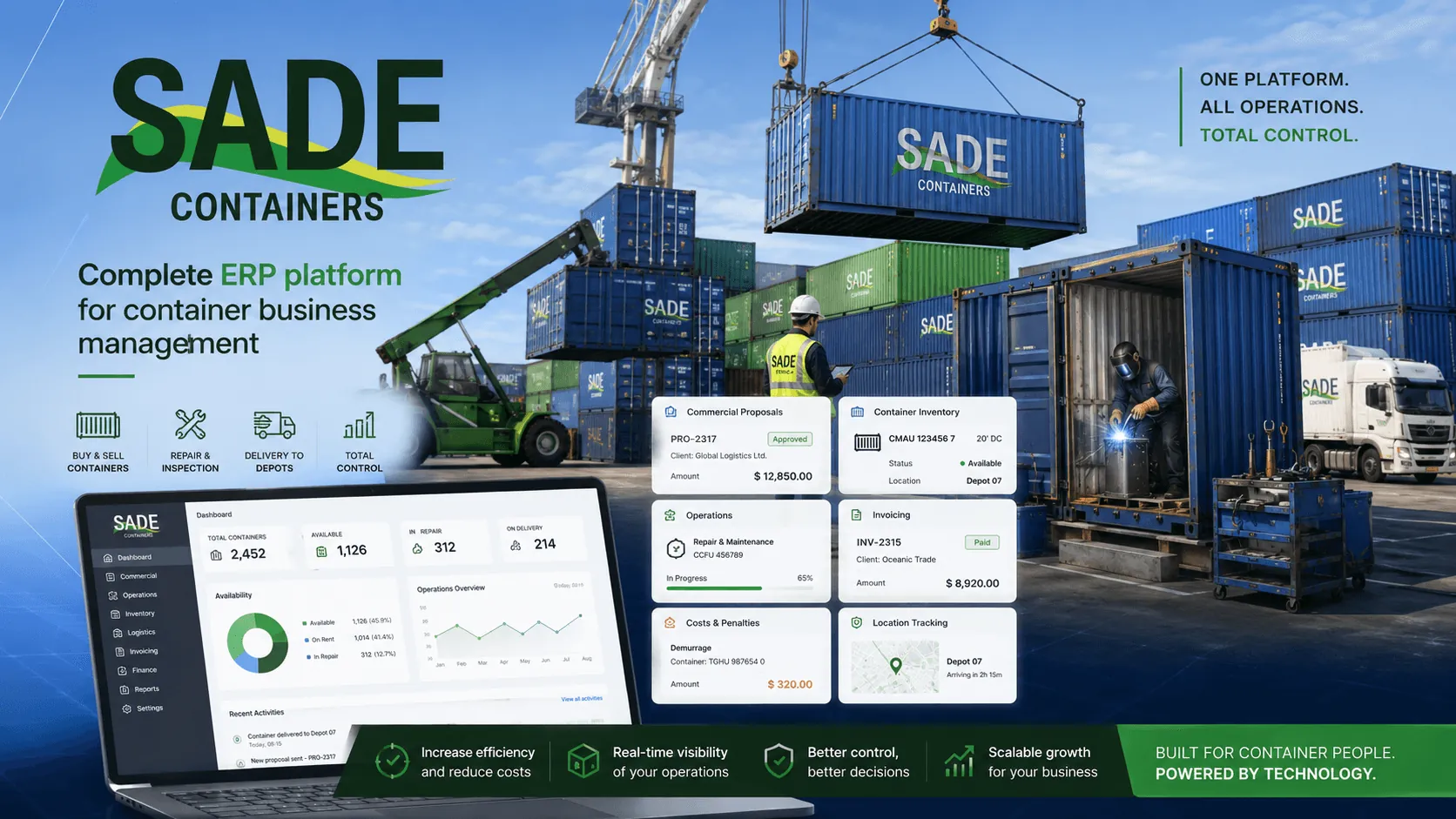 Development+8
Web / SaaS platform +5
Industry · Logistics and transport
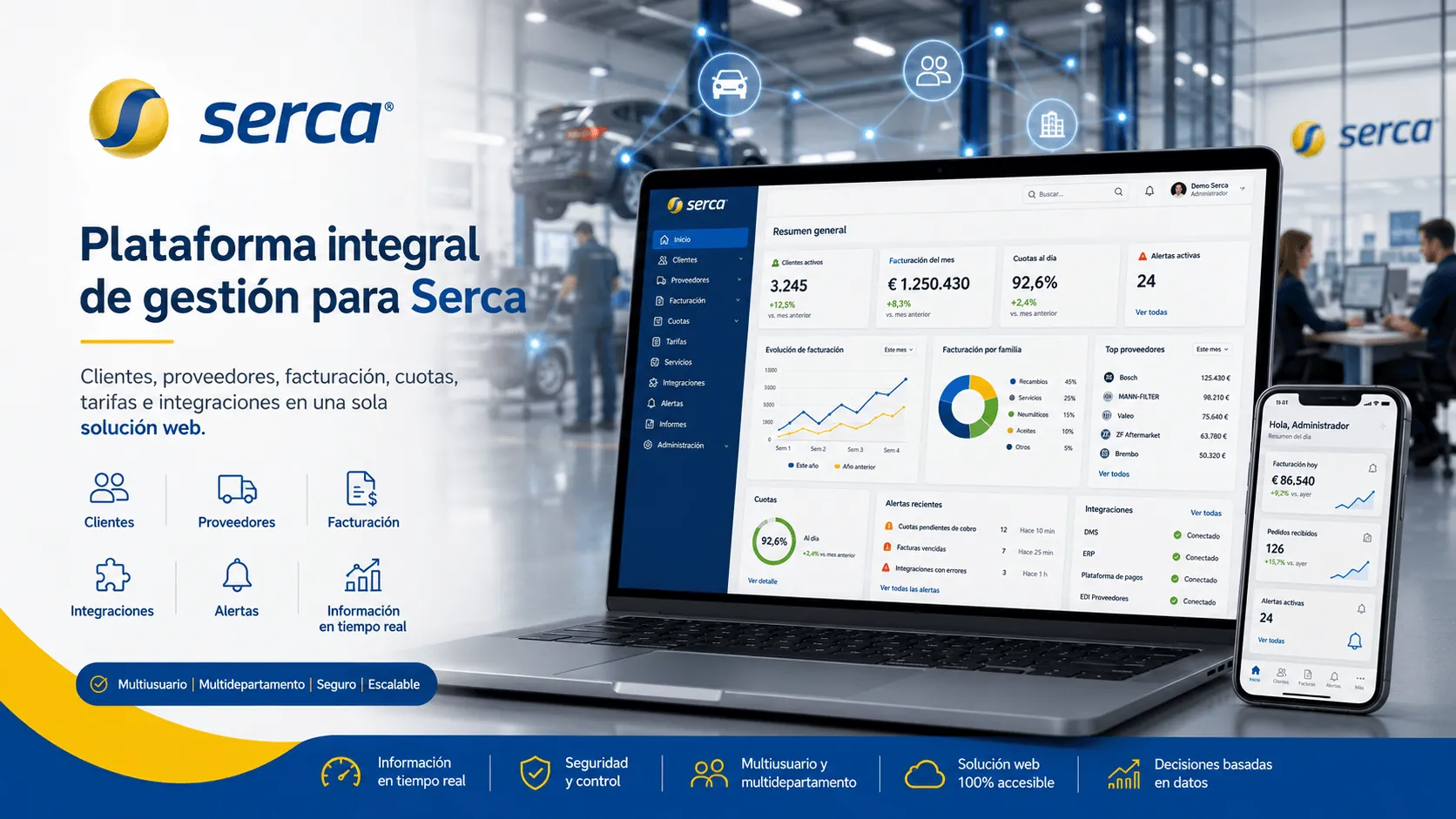 Development+9
E-commerce / online store +8
Industry · Education and EdTech
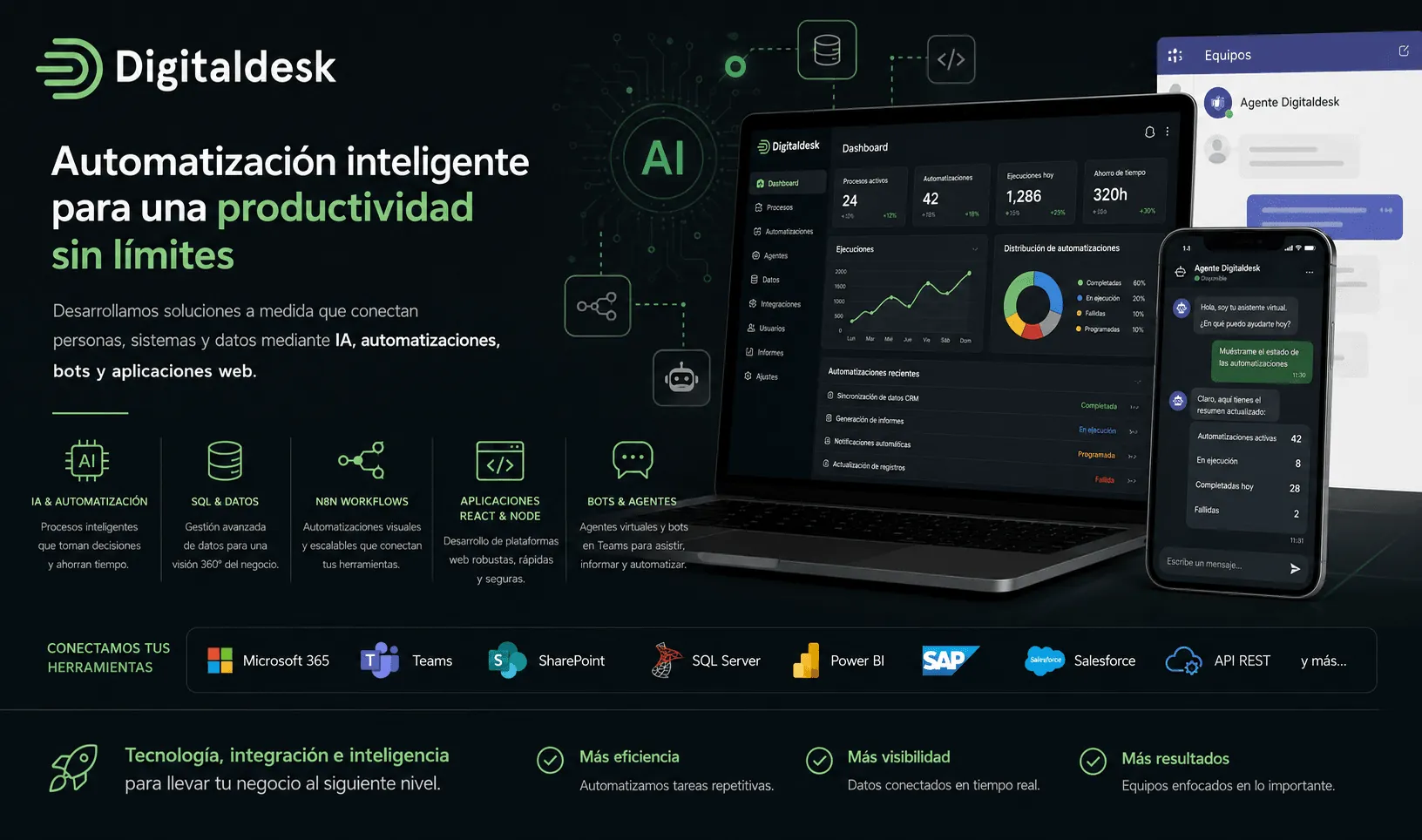 Development+11
Mobile App (iOS / Android) +10
Industry · Professional Services